Listen to the Cape Barren goose
Tip: press play to see the sound's live frequency spectrum in blue over the waveform.
About the Cape Barren goose
The Cape Barren goose is a bird in the family Anatidae (order Anseriformes). Its conservation status on the IUCN Red List is “least concern”. Adults weigh around 3.8 kg.
What does the Cape Barren goose sound like?
Birds produce sound with the syrinx, a vocal organ deep in the chest that can make two independent sounds at once. Songs tend to be long and patterned and are used to hold territory and attract a mate; calls are short signals for contact, alarm and flight.
From Wikipedia
The Cape Barren goose (Cereopsis novaehollandiae), sometimes also known as the pig goose, is a species of goose endemic to southern Australia. It is a distinctive large, grey bird that is mostly terrestrial and is not closely related to other extant members of the subfamily Anserinae.
More from the family Anatidae

Mallard
Anas platyrhynchos

Greylag goose
Anser anser

Northern pintail
Anas acuta

Mute swan
Cygnus olor

Eurasian teal
Anas crecca

Ruddy shelduck
Tadorna ferruginea

Gadwall
Mareca strepera

Whooper swan
Cygnus cygnus

Eurasian wigeon
Mareca penelope

Common shelduck
Tadorna tadorna

Tufted duck
Aythya fuligula
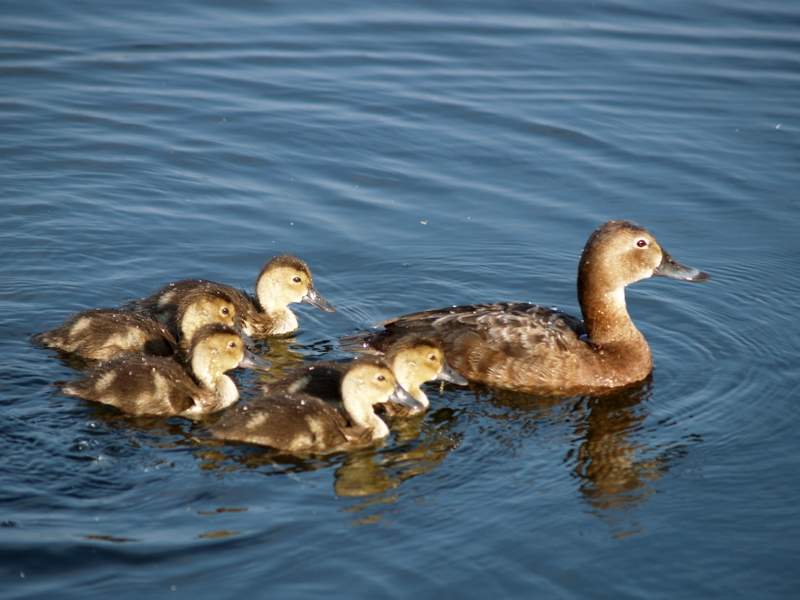
Common pochard
Aythya ferina
Frequently asked questions
What does a Cape Barren goose sound like?
You can hear 1 recording of the Cape Barren goose on this page. Birds produce sound with the syrinx, a vocal organ deep in the chest that can make two independent sounds at once.
Is the Cape Barren goose endangered?
The IUCN Red List classifies the Cape Barren goose as “least concern”.
What family does the Cape Barren goose belong to?
The Cape Barren goose (Cereopsis novaehollandiae) belongs to the family Anatidae in the order Anseriformes.
Sources & credits
- Artis, hoendergans - SoundCloud - Beeld en Geluid by Beeld en Geluid – CC BY-SA 3.0 · Wikimedia Commons
- Wikidata Q257006 – CC0
- Wikipedia: Cape Barren goose – CC BY-SA 4.0
- Photo by JJ Harrison ( https://www.jjharrison.com.au/ ) – CC BY-SA 3.0