Listen to the Eurasian griffon vulture
Tip: press play to see the sound's live frequency spectrum in blue over the waveform.
About the Eurasian griffon vulture
The Eurasian griffon vulture is a bird in the family Accipitridae (order Accipitriformes). Its conservation status on the IUCN Red List is “least concern”. Adults have a wingspan of about 2.6 m and weigh around 8.3 kg.
What does the Eurasian griffon vulture sound like?
Bird vocalisations are usually divided into songs – longer, often complex phrases used to defend territory and attract mates, sung mostly by males in the breeding season – and calls: short, simple sounds for contact, alarm, begging or flight.
From Wikipedia
The Eurasian griffon vulture (Gyps fulvus) is a large Old World vulture in the bird of prey family Accipitridae. It is also known as the Eurasian griffon or griffon vulture, although the latter term is sometimes used for the genus Gyps as a whole.
More from the family Accipitridae

Golden eagle
Aquila chrysaetos

Eurasian sparrowhawk
Accipiter nisus
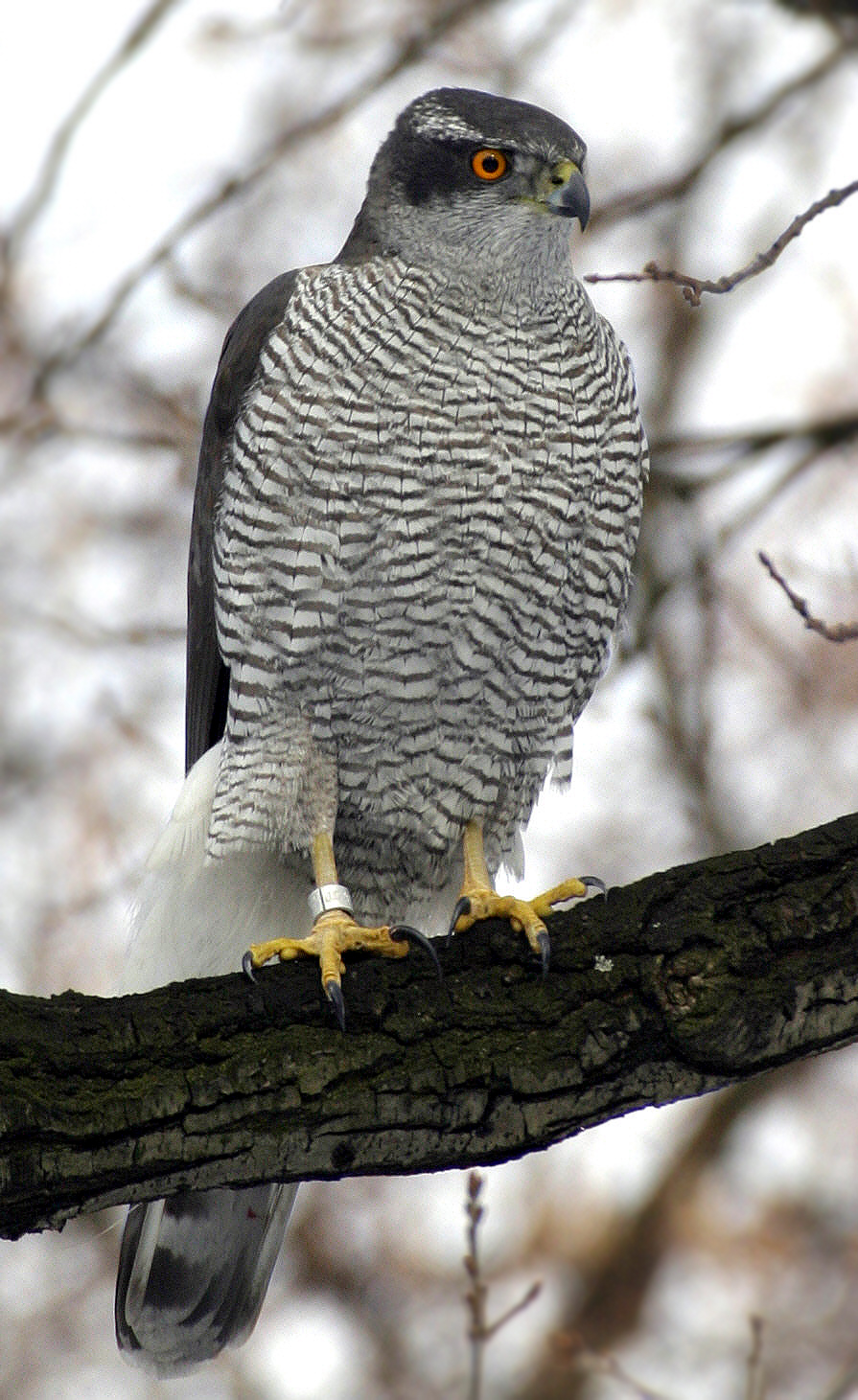
Eurasian goshawk
Astur gentilis

Black kite
Milvus migrans

Common buzzard
Buteo buteo

Bald eagle
Haliaeetus leucocephalus

Red kite
Milvus milvus

Hen harrier
Circus cyaneus

Short-toed snake eagle
Circaetus gallicus

Booted eagle
Hieraaetus pennatus

Bonelli's eagle
Aquila fasciata

Black-winged kite
Elanus caeruleus
Frequently asked questions
What does an Eurasian griffon vulture sound like?
You can hear 1 recording of the Eurasian griffon vulture on this page. Bird vocalisations are usually divided into songs – longer, often complex phrases used to defend territory and attract mates, sung mostly by males in the breeding season – and calls: short, simple sounds for contact, alarm, begging or flight.
Is the Eurasian griffon vulture endangered?
The IUCN Red List classifies the Eurasian griffon vulture as “least concern”.
What family does the Eurasian griffon vulture belong to?
The Eurasian griffon vulture (Gyps fulvus) belongs to the family Accipitridae in the order Accipitriformes.
Sources & credits
- Buitre leonado (Gyps fulvus) by Thomas SIGNEAU – CC BY-SA 4.0 · Wikimedia Commons
- Wikidata Q177856 – CC0
- Wikipedia: Eurasian griffon vulture – CC BY-SA 4.0
- Photo by Markel Olano, goierritarra1 – CC BY-SA 2.0