Listen to the Grey-necked bunting
Tip: press play to see the sound's live frequency spectrum in blue over the waveform.
About the Grey-necked bunting
The Grey-necked bunting is a bird in the family Emberizidae (order Passeriformes). Its conservation status on the IUCN Red List is “least concern”.
What does the Grey-necked bunting sound like?
Most birds have two kinds of vocalisation: songs, which are learned or innate phrases delivered mainly in spring and summer, and calls – brief contact, alarm and begging notes heard all year round. Listening for both helps with identification.
From Wikipedia
The grey-necked bunting (Emberiza buchanani), sometimes referred to as grey-hooded bunting (a name also in use for chestnut-eared bunting) is a species of bird in the family Emberizidae. It breeds along a wide distribution range from the Caspian Sea to the Altai Mountains in Central Asia and winters in parts of Southern Asia. Like other buntings it is found in small flocks.
Related birds in the genus Emberiza


More from the family Emberizidae


Frequently asked questions
What does a Grey-necked bunting sound like?
You can hear 1 recording of the Grey-necked bunting on this page. Most birds have two kinds of vocalisation: songs, which are learned or innate phrases delivered mainly in spring and summer, and calls – brief contact, alarm and begging notes heard all year round.
Is the Grey-necked bunting endangered?
The IUCN Red List classifies the Grey-necked bunting as “least concern”.
What family does the Grey-necked bunting belong to?
The Grey-necked bunting (Emberiza buchanani) belongs to the family Emberizidae in the order Passeriformes.
Sources & credits
- Grey-necked bunting call recorded in February 2015 at Dandoba hill, Sangli by Sharadapte – CC BY-SA 4.0 · Wikimedia Commons
- Wikidata Q648313 – CC0
- Wikipedia: Grey-necked bunting – CC BY-SA 4.0
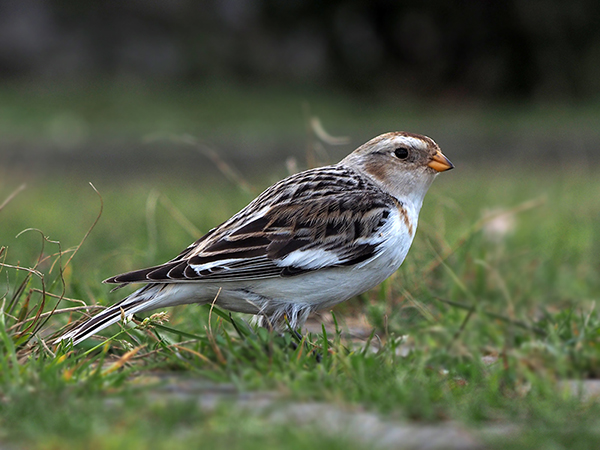
- Photo by Imran Shah from Islamabad, Pakistan – CC BY-SA 2.0