Listen to the Red-chested cuckoo
Tip: press play to see the sound's live frequency spectrum in blue over the waveform.
About the Red-chested cuckoo
The Red-chested cuckoo is a bird in the family Cuculidae (order Cuculiformes). Its conservation status on the IUCN Red List is “least concern”. Adults weigh around 73 g.
What does the Red-chested cuckoo sound like?
Bird vocalisations are usually divided into songs – longer, often complex phrases used to defend territory and attract mates, sung mostly by males in the breeding season – and calls: short, simple sounds for contact, alarm, begging or flight.
From Wikipedia
The red-chested cuckoo (Cuculus solitarius) is a species of cuckoo in the family Cuculidae. It is a medium-sized bird found in Africa, south of the Sahara. In Afrikaans, it is known as "Piet-my-vrou", after its call.
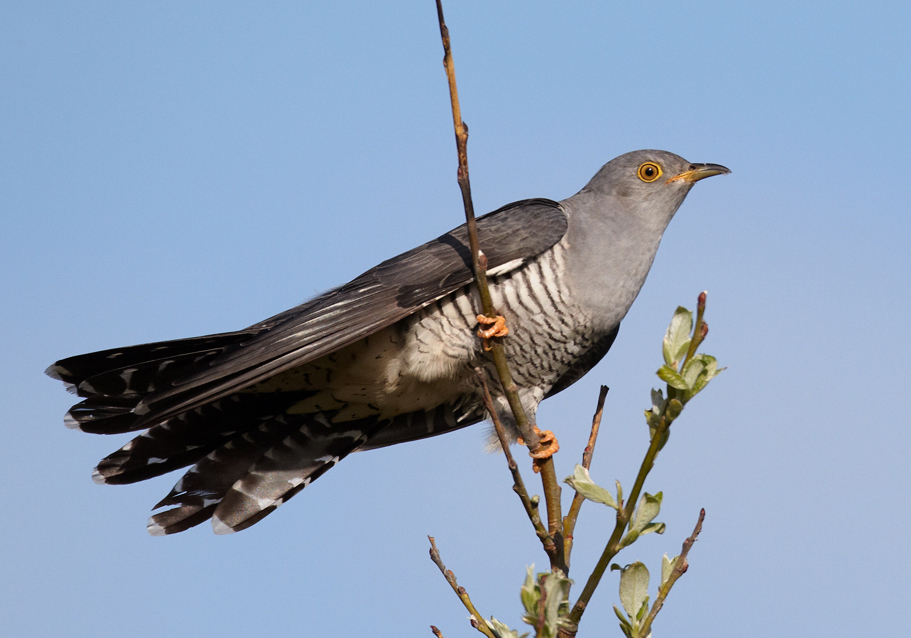
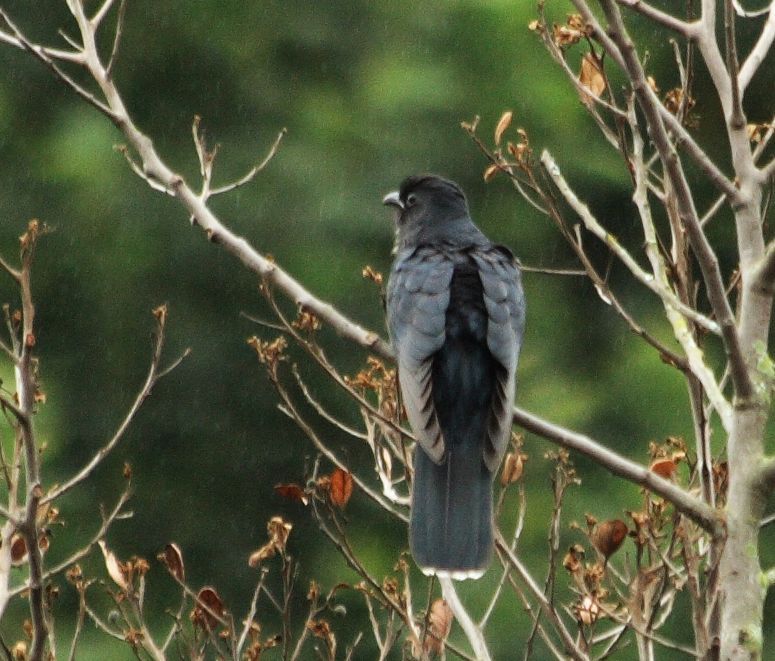
Related birds in the genus Cuculus


More from the family Cuculidae


Frequently asked questions
What does a Red-chested cuckoo sound like?
You can hear 1 recording of the Red-chested cuckoo on this page. Bird vocalisations are usually divided into songs – longer, often complex phrases used to defend territory and attract mates, sung mostly by males in the breeding season – and calls: short, simple sounds for contact, alarm, begging or flight.
Is the Red-chested cuckoo endangered?
The IUCN Red List classifies the Red-chested cuckoo as “least concern”.
What family does the Red-chested cuckoo belong to?
The Red-chested cuckoo (Cuculus solitarius) belongs to the family Cuculidae in the order Cuculiformes.
Sources & credits
- Red-chested Cuckoo (Cuculus solitarius) (022A-WA03044X0017-0013M0) – CC BY 4.0 · Wikimedia Commons
- Wikidata Q639053 – CC0
- Wikipedia: Red-chested cuckoo – CC BY-SA 4.0
- Photo by Giles Laurent – CC BY-SA 4.0