About Albanian iso-polyphony
Albanian iso-polyphony is a music genre that emerged in Albania. It is usually classed as a form of polyphony and Albanian folk music.
From Wikipedia
Iso-Polyphony (Albanian: Iso-polifonia) is a traditional form of Albanian folk music in which multi-line singing is accompanied by choral drone parts, and which has many regional and formal variations. It is included in UNESCO's intangible cultural heritage list. Albanian Iso-Polyphony is considered to have its roots in the many-voiced vajtim, the southern Albanian traditional lamentation of the dead. The instrumental expression of the Albanian Iso-Polyphony evolved into the Albanian kaba.
All four regions of southern Albania—Lalëria (Myzeqe), Toskëria, Çamëria, and Labëria—have polyphonic song as part of their culture. A related form of polyphonic singing is found in northern Albania, in the area of Peshkopi; Polog, Tetovo, Kičevo and Gostivar in North Macedonia; and Malësia in northern Albania and southern Montenegro.
Genre family tree
Parent genres (↑) and subgenres (↓) of Albanian iso-polyphony.
- ↑ polyphony
- ↑ Albanian folk music
Related genres
Madrigal
secular vocal music composition of the Renaissance and early Baroque e
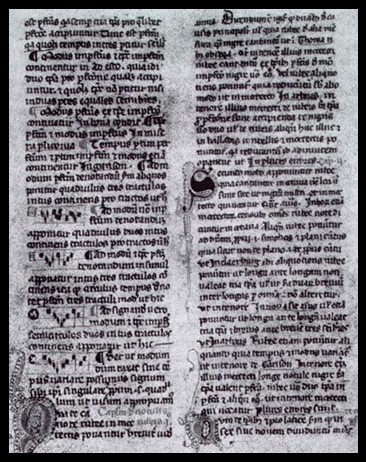
Ars nova
1310s
Organum
medieval polyphony most often based on a cantus firmus

Seto leelo
Estonia

Cante alentejano
Portugal

Cantu a tenore
Italy
Ensalada
music genre
Ganga
type of singing that originated from rural Dinaric mountain region
Frequently asked questions
What is Albanian iso-polyphony?
Albanian iso-polyphony is a music genre that emerged in Albania. It is usually classed as a form of polyphony and Albanian folk music.
Where and when did Albanian iso-polyphony originate?
Albanian iso-polyphony originated in Albania.