About Music of Spain
Music of Spain is a music genre. It is usually classed as a form of Spanish art, Latin music and music of the Iberian Peninsula.
Music of Spain has given rise to 9 subgenres on this site, such as Flamenco, Bolero (Spanish dance), Cuplé and Spanish jazz.
From Wikipedia
The musical traditions of Spain have played an important role in the development of both western classical and Latin American music. Spanish music includes many different traditional styles from across the country, among which flamenco and classical guitar are probably the best-known abroad. Music from the north-west regions is heavily reliant on bagpipes, the jota is widespread in the centre and north of the country, and flamenco originated in the south.
Spanish music played a notable part in the early developments of western classical music from the 15th through the early 17th century. The breadth of musical innovation can be seen in composers like Tomás Luis de Victoria, styles like the zarzuela of Spanish opera, the ballet of Manuel de Falla, and the classical guitar music of Francisco Tárrega. Nowadays, in Spain as elsewhere, various styles of commercial popular music are dominant.
Genre family tree
Parent genres (↑) and subgenres (↓) of Music of Spain.
- ↑ Spanish art
- ↑ Latin music
- ↑ music of the Iberian Peninsula
- ↓ Flamenco
- ↓ Bolero (Spanish dance)
- ↓ Cuplé
- ↓ Spanish jazz
- ↓ Music of Andalusia
- ↓ Basque music
- ↓ Punk rock in Spain
- ↓ Music of Aragon
- ↓ Music of the Canary Islands
Related genres
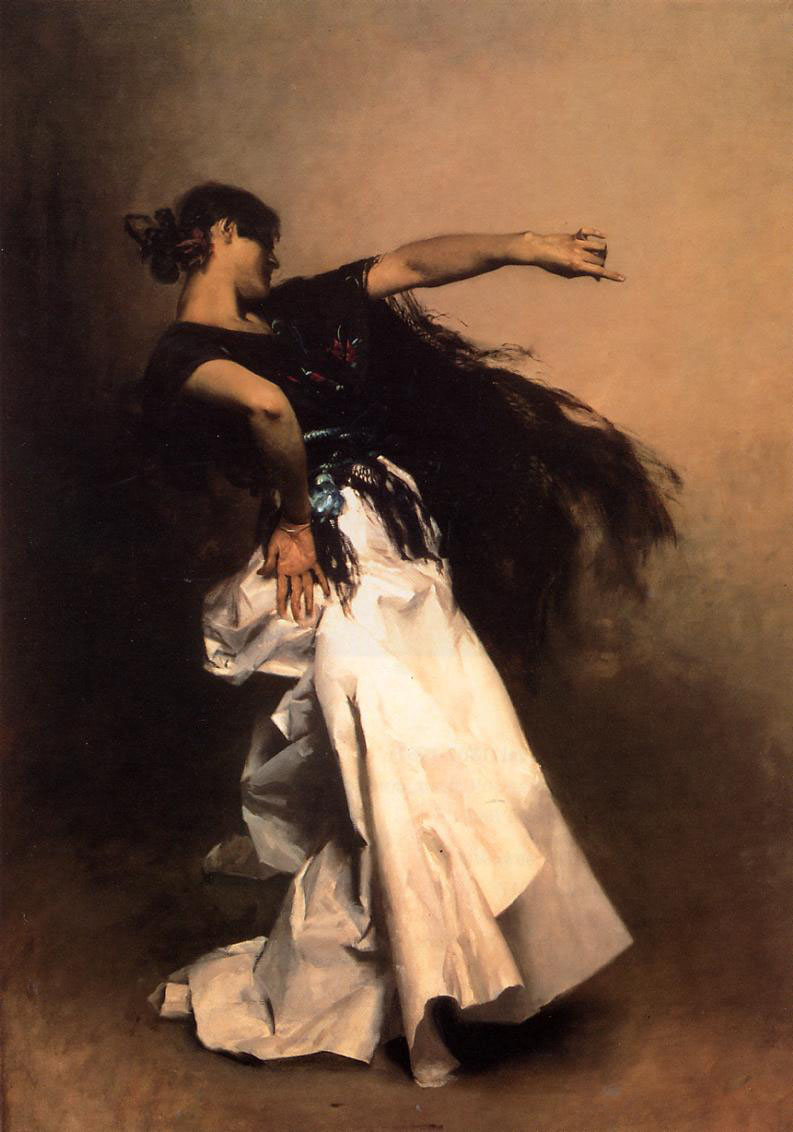
Flamenco
1770s · Spain

Latin pop
1970s · Spain

Music of Latin America
1600s
Latin rock
1950s · United States

Tango
music genre originating in Argentina and Uruguay
Boogaloo
1960s · United States

Latin metal
1970s · Latin America
Tropical music
music from the Spanish-speaking regions of the Caribbean
Frequently asked questions
What is Music of Spain?
Music of Spain is a music genre. It is usually classed as a form of Spanish art, Latin music and music of the Iberian Peninsula.