Listen to the cornet
Tip: press play to see the sound's live frequency spectrum in blue over the waveform.
How the cornet makes its sound
In the Hornbostel–Sachs system, which classifies instruments by how they produce sound, the cornet belongs to the brass (lip-vibrated aerophones): the player's buzzing lips set the air column vibrating – trumpets, horns, trombones, tubas and the didgeridoo.
More broadly it is one of the aerophones (wind instruments), where sound comes from vibrating air.
Its timbre – the colour that lets you tell it apart from other instruments playing the same note – comes from the mix of overtones its body and resonator emphasise.
From Wikipedia
The cornet (, US: ) is a brass instrument similar to the trumpet but distinguished from it by its conical bore, more compact shape, and mellower tone. The most common cornet is a transposing instrument in B♭. There is also a soprano cornet in E♭ and cornets in A and C. All are unrelated to the Renaissance and early Baroque cornett.
Other brass

Trumpet
Brass (lip-vibrated aerophones)

Trombone
Brass (lip-vibrated aerophones)

Tuba
Brass (lip-vibrated aerophones)

French horn
Brass (lip-vibrated aerophones)

Brass instrument
Brass (lip-vibrated aerophones)

Vuvuzela
Brass (lip-vibrated aerophones)
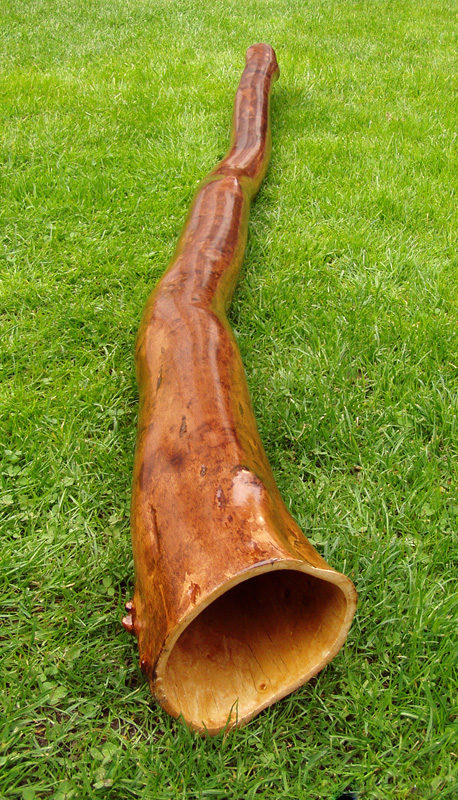
Didgeridoo
Brass (lip-vibrated aerophones)

Flugelhorn
Brass (lip-vibrated aerophones)
Frequently asked questions
What does a cornet sound like?
Listen to 2 recordings on this page. As one of the brass, its sound comes from the way the player's buzzing lips set the air column vibrating.
What type of instrument is the cornet?
It is classified as brass (lip-vibrated aerophones) (Hornbostel–Sachs 423.232).
Sources & credits
- 100,1 Tre melodier spillet på kornet by Gottfried Ruben , Ruben-samlingen , Statsbiblioteket – CC0 1.0 · Wikimedia Commons
- Rm-sursilv-il cornet da nuschs by Speaker: Erwin Ardüser – CC0 1.0 · Wikimedia Commons
- Wikidata Q202027 – CC0
- Wikipedia: Cornet – CC BY-SA 4.0
- Image by Nevilley – CC BY-SA 3.0