How the lur makes its sound
In the Hornbostel–Sachs system, which classifies instruments by how they produce sound, the lur belongs to the brass (lip-vibrated aerophones): the player's buzzing lips set the air column vibrating – trumpets, horns, trombones, tubas and the didgeridoo.
More broadly it is one of the aerophones (wind instruments), where sound comes from vibrating air.
Its timbre – the colour that lets you tell it apart from other instruments playing the same note – comes from the mix of overtones its body and resonator emphasise.
From Wikipedia
A lur, also lure or lurr, is a long natural horn without finger holes that is played with a brass-type embouchure. Lurs can be straight or curved in various shapes. The purpose of the curves was to make long instruments easier to carry (e.g. for marching, like the modern sousaphone) and to avoid directing the loud noise at nearby people.
The name lur is used for two distinct types of ancient wind instruments. The more recent type is made of wood and was in use in Scandinavia during the Middle Ages. The older type, named after the more recent type, is made of bronze, dates to the Bronze Age and was often found in pairs, deposited in bogs, mainly in Denmark and Germany. It consists of a mouthpiece and several pieces and/or pipes. Its length can reach between 1.5 and 2 metres. It has been found in Norway, Denmark, South Sweden, and Northern Germany. Illustrations of lurs have also been found on several rock paintings in Scandinavia.
Other brass

Trumpet
Brass (lip-vibrated aerophones)

Trombone
Brass (lip-vibrated aerophones)

Tuba
Brass (lip-vibrated aerophones)

French horn
Brass (lip-vibrated aerophones)

Brass instrument
Brass (lip-vibrated aerophones)

Vuvuzela
Brass (lip-vibrated aerophones)
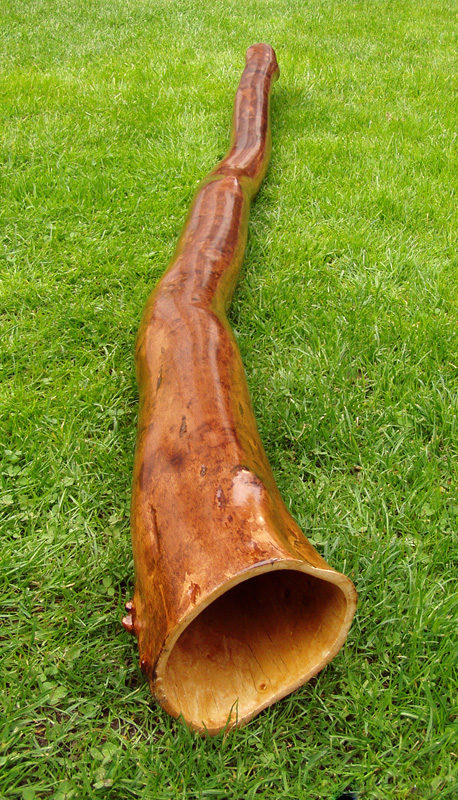
Didgeridoo
Brass (lip-vibrated aerophones)

Cornet
Brass (lip-vibrated aerophones)
Frequently asked questions
What does a lur sound like?
As one of the brass, its sound comes from the way the player's buzzing lips set the air column vibrating.
What type of instrument is the lur?
It is classified as brass (lip-vibrated aerophones) (Hornbostel–Sachs 423.121.22).
Sources & credits
- Wikidata Q778999 – CC0
- Wikipedia: Lur – CC BY-SA 4.0
- Image by Dbachmann – Public domain