How the Roman tuba makes its sound
In the Hornbostel–Sachs system, which classifies instruments by how they produce sound, the Roman tuba belongs to the brass (lip-vibrated aerophones): the player's buzzing lips set the air column vibrating – trumpets, horns, trombones, tubas and the didgeridoo.
More broadly it is one of the aerophones (wind instruments), where sound comes from vibrating air.
Its timbre – the colour that lets you tell it apart from other instruments playing the same note – comes from the mix of overtones its body and resonator emphasise.
From Wikipedia
The Roman tuba (plural: tubae), or trumpet was a military signal instrument used by the ancient Roman military and in religious rituals. They would signal troop movements such as retreating, attacking, or charging, as well as when guards should mount, sleep, or change posts. Thirty-six or thirty-eight tubicines (tuba players; singular tubicen) were assigned to each Roman legion. The tuba would be blown twice each spring in military, governmental, or religious functions. This ceremony was known as the tubilustrium. It was also used in ancient Roman triumphs. It was considered a symbol of war and battle. The instrument was used by the Etruscans in their funerary rituals. It continued to be used in ancient Roman funerary practices.
Other brass

Trumpet
Brass (lip-vibrated aerophones)

Trombone
Brass (lip-vibrated aerophones)

Tuba
Brass (lip-vibrated aerophones)

French horn
Brass (lip-vibrated aerophones)

Brass instrument
Brass (lip-vibrated aerophones)

Vuvuzela
Brass (lip-vibrated aerophones)
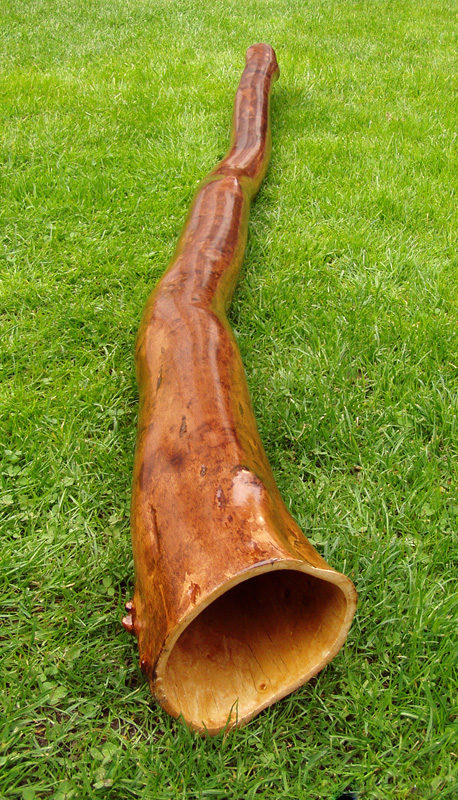
Didgeridoo
Brass (lip-vibrated aerophones)

Cornet
Brass (lip-vibrated aerophones)
Frequently asked questions
What does the Roman tuba sound like?
As one of the brass, its sound comes from the way the player's buzzing lips set the air column vibrating.
What type of instrument is the Roman tuba?
It is classified as brass (lip-vibrated aerophones) (Hornbostel–Sachs 423.121.1).
Sources & credits
- Wikidata Q2030802 – CC0
- Wikipedia: Roman tuba – CC BY-SA 4.0
- Image by Sguastevi – CC BY-SA 4.0