How the shankha makes its sound
In the Hornbostel–Sachs system, which classifies instruments by how they produce sound, the shankha belongs to the brass (lip-vibrated aerophones): the player's buzzing lips set the air column vibrating – trumpets, horns, trombones, tubas and the didgeridoo.
More broadly it is one of the aerophones (wind instruments), where sound comes from vibrating air.
Its timbre – the colour that lets you tell it apart from other instruments playing the same note – comes from the mix of overtones its body and resonator emphasise.
From Wikipedia
A Shankha (Sanskrit: शङ्ख, romanized: śaṅkha, lit. 'conch') has religious ritual importance in Hinduism.
In Hinduism, the shankha called panchajanya is a sacred emblem of the Hindu preserver deity Vishnu. It is still used as a trumpet in Hindu ritual, and in the past was used as a war trumpet. According to Arunava Bose, "The shankha is praised in Hindu scriptures as a giver of fame, longevity and prosperity, the cleanser of sin and the abode of goddess Lakshmi, who is the goddess of prosperity and consort of Vishnu".
Other brass

Trumpet
Brass (lip-vibrated aerophones)

Trombone
Brass (lip-vibrated aerophones)

Tuba
Brass (lip-vibrated aerophones)

French horn
Brass (lip-vibrated aerophones)

Brass instrument
Brass (lip-vibrated aerophones)

Vuvuzela
Brass (lip-vibrated aerophones)
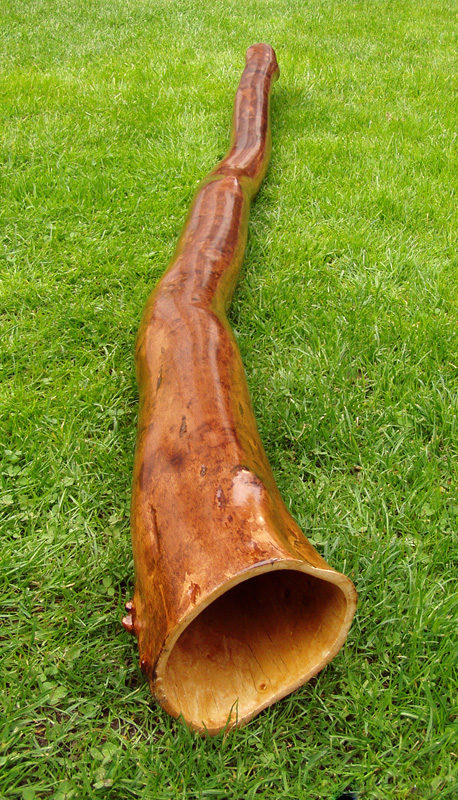
Didgeridoo
Brass (lip-vibrated aerophones)

Cornet
Brass (lip-vibrated aerophones)
Frequently asked questions
What does a shankha sound like?
As one of the brass, its sound comes from the way the player's buzzing lips set the air column vibrating.
What type of instrument is the shankha?
It is classified as brass (lip-vibrated aerophones) (Hornbostel–Sachs 423.111.2).
Sources & credits
- Wikidata Q2479786 – CC0
- Wikipedia: Shankha – CC BY-SA 4.0
- Image by Original uploader was Elthahmorden at en.wikipedia – CC BY-SA 3.0