How the Vienna valve trombone makes its sound
In the Hornbostel–Sachs system, which classifies instruments by how they produce sound, the Vienna valve trombone belongs to the brass (lip-vibrated aerophones): the player's buzzing lips set the air column vibrating – trumpets, horns, trombones, tubas and the didgeridoo.
More broadly it is one of the aerophones (wind instruments), where sound comes from vibrating air.
Players shape its sound through technique and materials; the resonating body filters the raw vibration, boosting some harmonics and damping others.
From Wikipedia
Brass instrument valves are valves used to change the length of tubing of a brass instrument allowing the player to reach the notes of various harmonic series. Each valve pressed diverts the air stream through additional tubing, individually or in conjunction with other valves. This lengthens the vibrating air column thus lowering the fundamental tone and associated harmonic series produced by the instrument.
Valves in brass instruments require regular maintenance and lubrication to ensure fast and reliable movement.
Other brass

Trumpet
Brass (lip-vibrated aerophones)

Trombone
Brass (lip-vibrated aerophones)

Tuba
Brass (lip-vibrated aerophones)

French horn
Brass (lip-vibrated aerophones)

Brass instrument
Brass (lip-vibrated aerophones)

Vuvuzela
Brass (lip-vibrated aerophones)
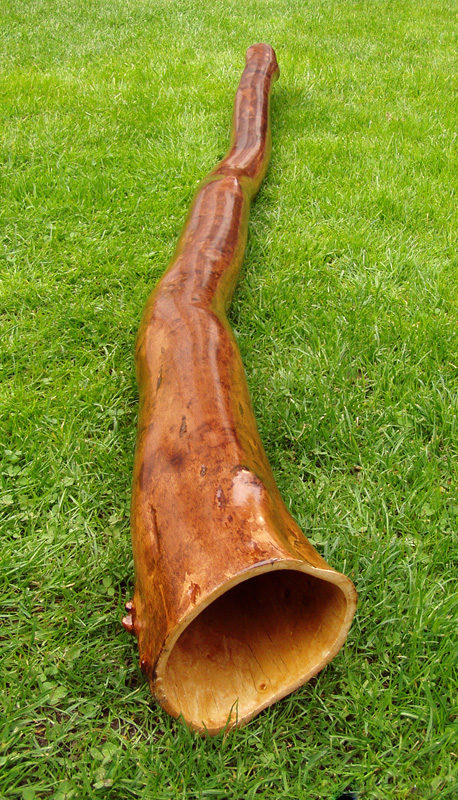
Didgeridoo
Brass (lip-vibrated aerophones)

Cornet
Brass (lip-vibrated aerophones)
Frequently asked questions
What does the Vienna valve trombone sound like?
As one of the brass, its sound comes from the way the player's buzzing lips set the air column vibrating.
What type of instrument is the Vienna valve trombone?
It is classified as brass (lip-vibrated aerophones) (Hornbostel–Sachs 423.233.2).
Sources & credits
- Wikidata Q7928364 – CC0
- Wikipedia: Brass instrument valve – CC BY-SA 4.0
- Image by St Cecilia's Hall Concert Room & Music Museum, Musical Instruments Museums Edinburgh; University of Edinburgh. – CC BY 3.0