About East Coast blues
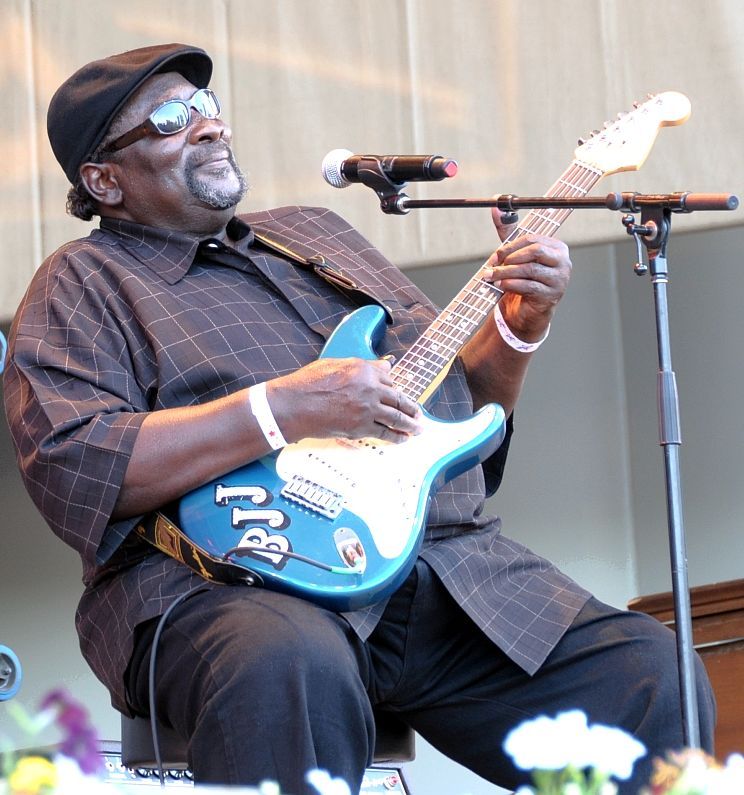
East Coast blues is a music genre that emerged in United States. It is usually classed as a form of blues.
From Wikipedia
Blues is a music genre and musical form that originated among African Americans in the Deep South of the United States around the 1860s. Blues has incorporated spirituals, work songs, field hollers, shouts, chants, and rhymed simple narrative ballads from the African-American culture. The blues form is ubiquitous in jazz, rhythm and blues, and rock and roll, and is characterized by the call-and-response pattern, the blues scale, and specific chord progressions, of which the twelve-bar blues is the most common. Blue notes (or "worried notes"), usually thirds, fifths or sevenths flattened in pitch, are also an essential part of the sound. Blues shuffles or walking bass reinforce the trance-like rhythm and form a repetitive effect known as the groove.
Genre family tree
Parent genres (↑) and subgenres (↓) of East Coast blues.
Related genres




Frequently asked questions
What is East Coast blues?
East Coast blues is a music genre that emerged in United States. It is usually classed as a form of blues.
Where and when did East Coast blues originate?
East Coast blues originated in United States.