How the shofar makes its sound
In the Hornbostel–Sachs system, which classifies instruments by how they produce sound, the shofar belongs to the brass (lip-vibrated aerophones): the player's buzzing lips set the air column vibrating – trumpets, horns, trombones, tubas and the didgeridoo.
More broadly it is one of the aerophones (wind instruments), where sound comes from vibrating air.
Press play above and watch the spectrum: the evenly spaced peaks are harmonics, and their relative strength is what gives the instrument its character.
From Wikipedia
A shofar is an ancient musical horn, typically a ram's horn, used for Jewish ritual purposes. Like the modern bugle, the shofar lacks pitch-altering devices, with all pitch control done by the player's varying their embouchure. The shofar is blown in synagogue services on Rosh Hashanah and at the end of Yom Kippur; it is also blown every weekday morning in the month of Elul running up to Rosh Hashanah. Shofars come in a variety of sizes and shapes, depending on the choice of animal and level of finish.
Other brass

Trumpet
Brass (lip-vibrated aerophones)

Trombone
Brass (lip-vibrated aerophones)

Tuba
Brass (lip-vibrated aerophones)

French horn
Brass (lip-vibrated aerophones)

Brass instrument
Brass (lip-vibrated aerophones)

Vuvuzela
Brass (lip-vibrated aerophones)
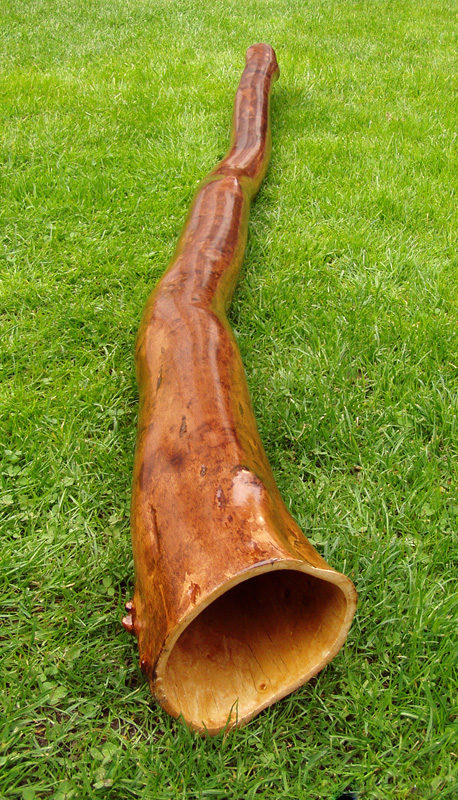
Didgeridoo
Brass (lip-vibrated aerophones)

Cornet
Brass (lip-vibrated aerophones)
Frequently asked questions
What does a shofar sound like?
As one of the brass, its sound comes from the way the player's buzzing lips set the air column vibrating.
What type of instrument is the shofar?
It is classified as brass (lip-vibrated aerophones) (Hornbostel–Sachs 423.121.2).