How the txalaparta makes its sound
In the Hornbostel–Sachs system, which classifies instruments by how they produce sound, the txalaparta belongs to the struck idiophones: the body is struck directly – bells, gongs, xylophones and cymbals.
More broadly it is one of the idiophones, where the solid body of the instrument itself vibrates, without strings or a stretched membrane.
Its timbre – the colour that lets you tell it apart from other instruments playing the same note – comes from the mix of overtones its body and resonator emphasise.
From Wikipedia
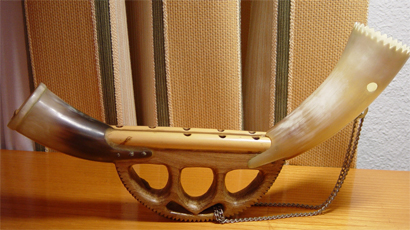
The txalaparta is a specialized Basque music device of wood or stone. In some regions of the Basque Country, zalaparta means "racket", while in others (in Navarre) txalaparta has been attested as meaning the trot of the horse, a sense closely related to the sound of the instrument.
Other struck idiophones


More instruments from Spain


Frequently asked questions
What does a txalaparta sound like?
As one of the struck idiophones, its sound comes from the way the body is struck directly.
What type of instrument is the txalaparta?
It is classified as struck idiophones (Hornbostel–Sachs 111.222).
Where does the txalaparta come from?
The txalaparta originates from Spain and Basque Country.
Sources & credits
- Wikidata Q943438 – CC0
- Wikipedia: Txalaparta – CC BY-SA 4.0
- Image by Iñaki LL at English Wikipedia ( Original text: Iñaki LL ) – Public domain