How the Galician gaita makes its sound
In the Hornbostel–Sachs system, which classifies instruments by how they produce sound, the Galician gaita belongs to the single-reed instruments: a single reed beats against a mouthpiece – clarinets and saxophones.
More broadly it is one of the aerophones (wind instruments), where sound comes from vibrating air.
Press play above and watch the spectrum: the evenly spaced peaks are harmonics, and their relative strength is what gives the instrument its character.
From Wikipedia
The Galician gaita (Galician: Gaita galega, Portuguese: Gaita galega, Spanish: Gaita gallega) is the traditional instrument of Galicia and northern Portugal.
The word gaita is used across northern Spain as a generic term for "bagpipe", although in the south of Spain and Portugal it denotes a variety of horn, flute or oboe like instruments according to region.
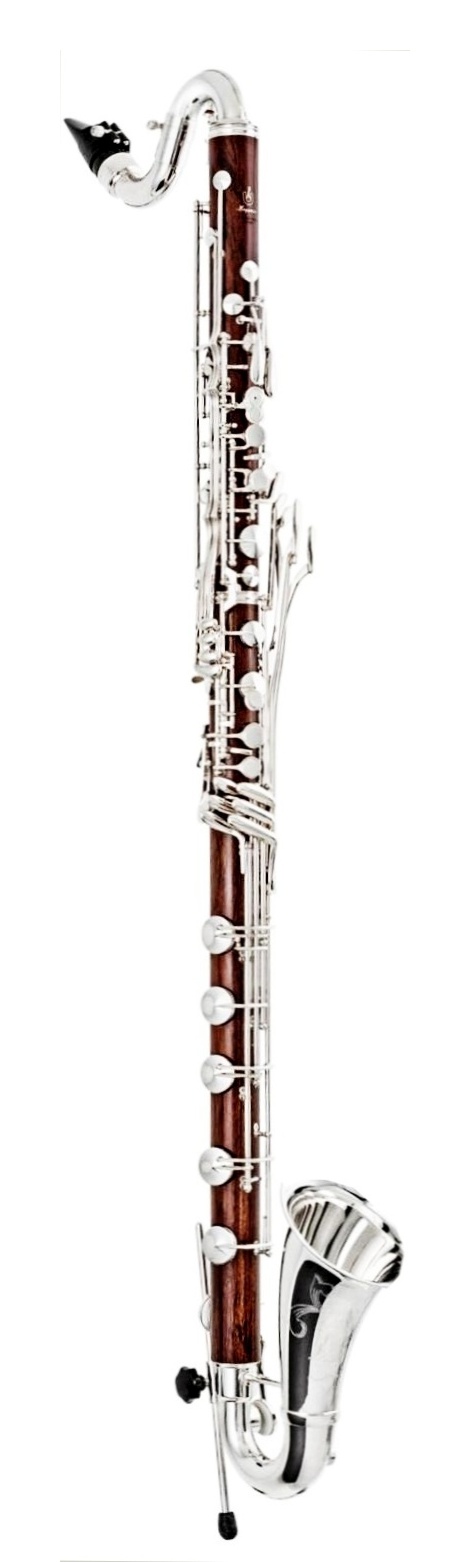
Other single-reed instruments




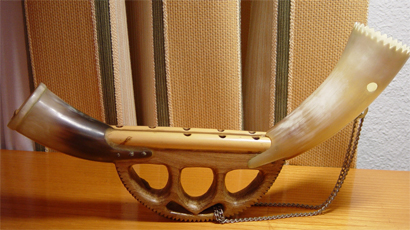
More instruments from Spain


Frequently asked questions
What does the Galician gaita sound like?
As one of the single-reed instruments, its sound comes from the way a single reed beats against a mouthpiece.
What type of instrument is the Galician gaita?
It is classified as single-reed instruments (Hornbostel–Sachs 422.211.2-62).
Where does the Galician gaita come from?
The Galician gaita originates from Spain.
Sources & credits
- Wikidata Q1820831 – CC0
- Wikipedia: Galician gaita – CC BY-SA 4.0
- Image by César Sotelo – CC BY-SA 2.0