How the chalumeau makes its sound
In the Hornbostel–Sachs system, which classifies instruments by how they produce sound, the chalumeau belongs to the single-reed instruments: a single reed beats against a mouthpiece – clarinets and saxophones.
More broadly it is one of the aerophones (wind instruments), where sound comes from vibrating air.
Players shape its sound through technique and materials; the resonating body filters the raw vibration, boosting some harmonics and damping others.
From Wikipedia
The chalumeau is a single-reed woodwind instrument of the late baroque and early classical eras. The chalumeau is a folk instrument that is the predecessor to the modern-day clarinet. It has a cylindrical bore with eight tone holes (seven in front and one in back for the thumb) and a broad mouthpiece with a single heteroglot reed (i.e. separate, not a continuous part of the instrument's body) made of cane. Similar to the clarinet, the chalumeau overblows a twelfth.
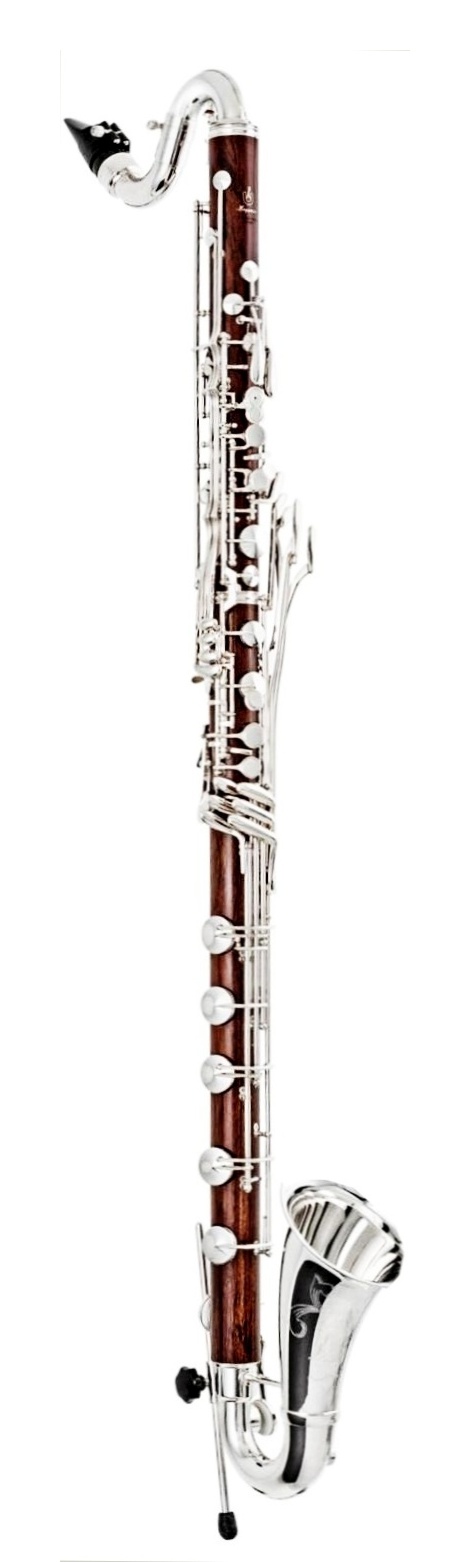
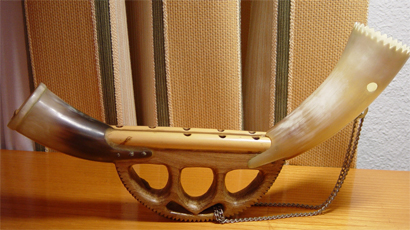
Other single-reed instruments




Frequently asked questions
What does a chalumeau sound like?
As one of the single-reed instruments, its sound comes from the way a single reed beats against a mouthpiece.
What type of instrument is the chalumeau?
It is classified as single-reed instruments (Hornbostel–Sachs 422.211).
Sources & credits
- Wikidata Q1060334 – CC0
- Wikipedia: Chalumeau – CC BY-SA 4.0
- Image by Maui2903 – CC BY-SA 4.0