Listen to the soprano saxophone
Tip: press play to see the sound's live frequency spectrum in blue over the waveform.
How the soprano saxophone makes its sound
In the Hornbostel–Sachs system, which classifies instruments by how they produce sound, the soprano saxophone belongs to the single-reed instruments: a single reed beats against a mouthpiece – clarinets and saxophones.
More broadly it is one of the aerophones (wind instruments), where sound comes from vibrating air.
Press play above and watch the spectrum: the evenly spaced peaks are harmonics, and their relative strength is what gives the instrument its character.
From Wikipedia
The soprano saxophone is a small, high-pitched member of the saxophone family of woodwind instruments invented in the 1840s by Belgian instrument maker Adolphe Sax. Built in B♭, an octave above the tenor saxophone (or rarely, slightly smaller in C), the soprano is the smallest of the four saxophones in common use (the others being the alto, tenor and baritone), although there are smaller rare instruments such as the soprillo and sopranino.
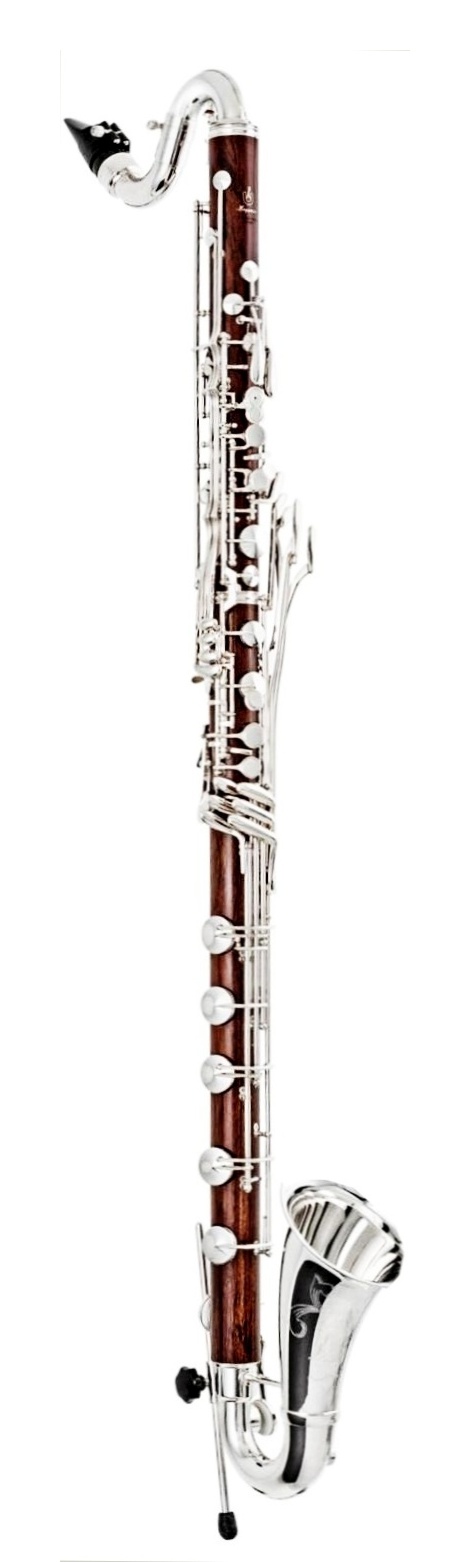
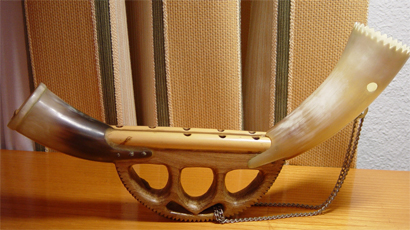
Other single-reed instruments




Frequently asked questions
What does a soprano saxophone sound like?
Listen to 1 recording on this page. As one of the single-reed instruments, its sound comes from the way a single reed beats against a mouthpiece.
What type of instrument is the soprano saxophone?
It is classified as single-reed instruments (Hornbostel–Sachs 422.212-71).
Sources & credits
- Aintshesweet8bars by Julien Grandgagnage – CC BY-SA 3.0 · Wikimedia Commons
- Wikidata Q1463985 – CC0
- Wikipedia: Soprano saxophone – CC BY-SA 4.0
- Image by Yamaha Corporation – CC BY-SA 4.0