How the pungi makes its sound
In the Hornbostel–Sachs system, which classifies instruments by how they produce sound, the pungi belongs to the single-reed instruments: a single reed beats against a mouthpiece – clarinets and saxophones.
More broadly it is one of the aerophones (wind instruments), where sound comes from vibrating air.
Players shape its sound through technique and materials; the resonating body filters the raw vibration, boosting some harmonics and damping others.
From Wikipedia
The pungi, also known as bīn or Murli, is a musical instrument that originates from the Indian subcontinent. The instrument consists of a reservoir into which air is blown and then channelled into two reed pipes. It is played with no pauses, as the player employs circular breathing. In street performances, the pungi is used for snake charming.
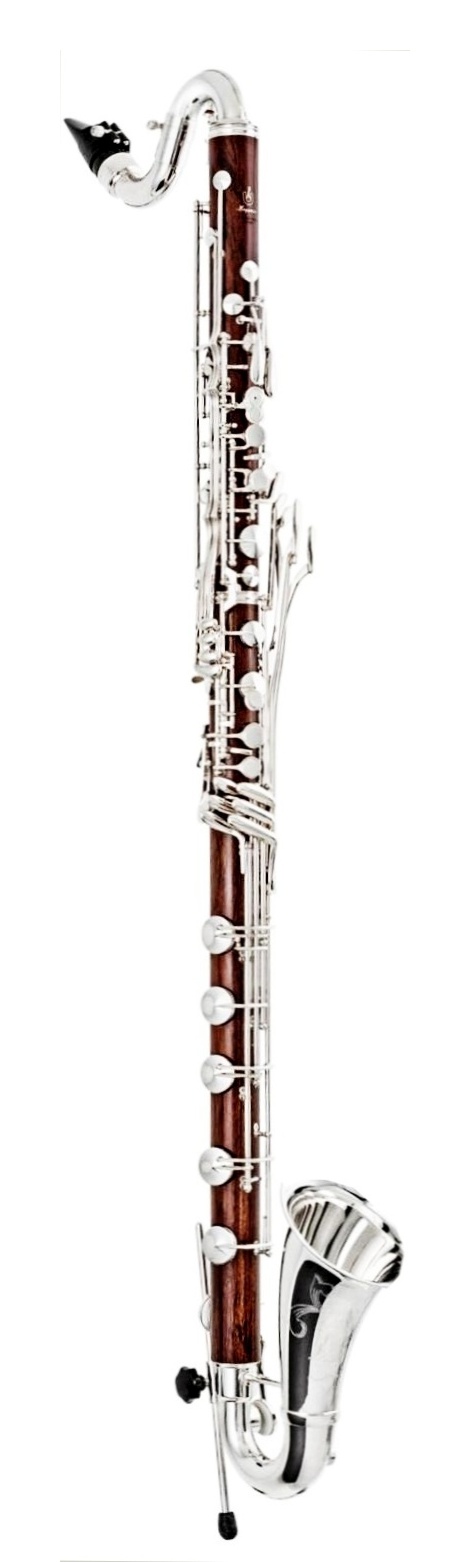
Other single-reed instruments




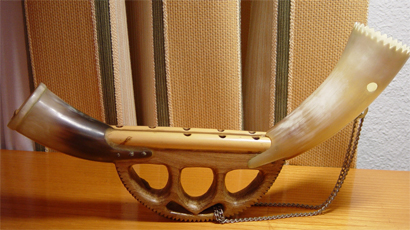
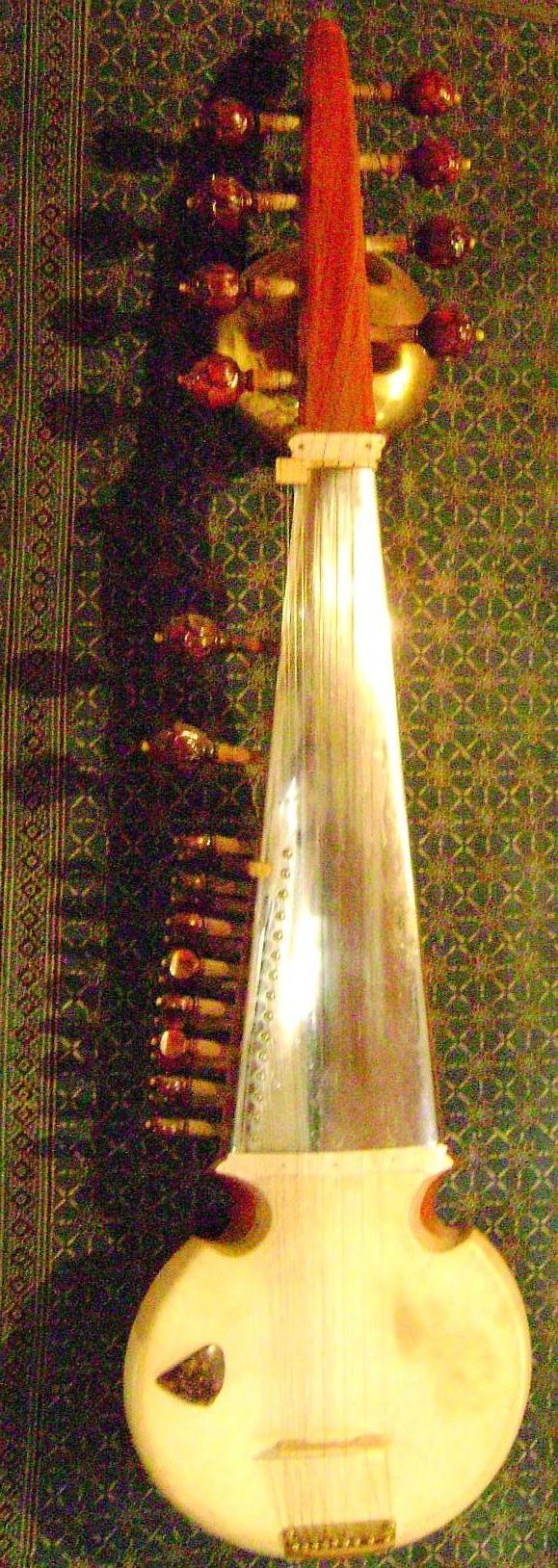
More instruments from India



Frequently asked questions
What does a pungi sound like?
As one of the single-reed instruments, its sound comes from the way a single reed beats against a mouthpiece.
What type of instrument is the pungi?
It is classified as single-reed instruments (Hornbostel–Sachs 422.22).
Where does the pungi come from?
The pungi originates from India.
Sources & credits
- Wikidata Q545271 – CC0
- Wikipedia: Pungi – CC BY-SA 4.0
- Image by Moheen – CC BY-SA 4.0