How the tenor saxophone makes its sound
In the Hornbostel–Sachs system, which classifies instruments by how they produce sound, the tenor saxophone belongs to the single-reed instruments: a single reed beats against a mouthpiece – clarinets and saxophones.
More broadly it is one of the aerophones (wind instruments), where sound comes from vibrating air.
Its timbre – the colour that lets you tell it apart from other instruments playing the same note – comes from the mix of overtones its body and resonator emphasise.
Range of the tenor saxophone
The typical range of the tenor saxophone runs from A♭2 (103.8 Hz) to E5 (659 Hz) – about 2.7 octaves. Harmonics extend its sound far higher.
From Wikipedia
The tenor saxophone is a medium-sized member of the saxophone family, a group of instruments invented by Adolphe Sax in the 1840s. The tenor and the alto are the two most commonly used saxophones. The tenor is pitched in the key of B♭ (while the alto is pitched in the key of E♭), and is a transposing instrument in the treble clef, sounding an octave and a major second lower than the written pitch. Modern tenor saxophones that have a high F♯ key have a range from A♭2 to E5 (concert) and are therefore pitched one octave below the soprano saxophone. People who play the tenor saxophone are known as "tenor saxophonists", "tenor sax players", or "saxophonists".
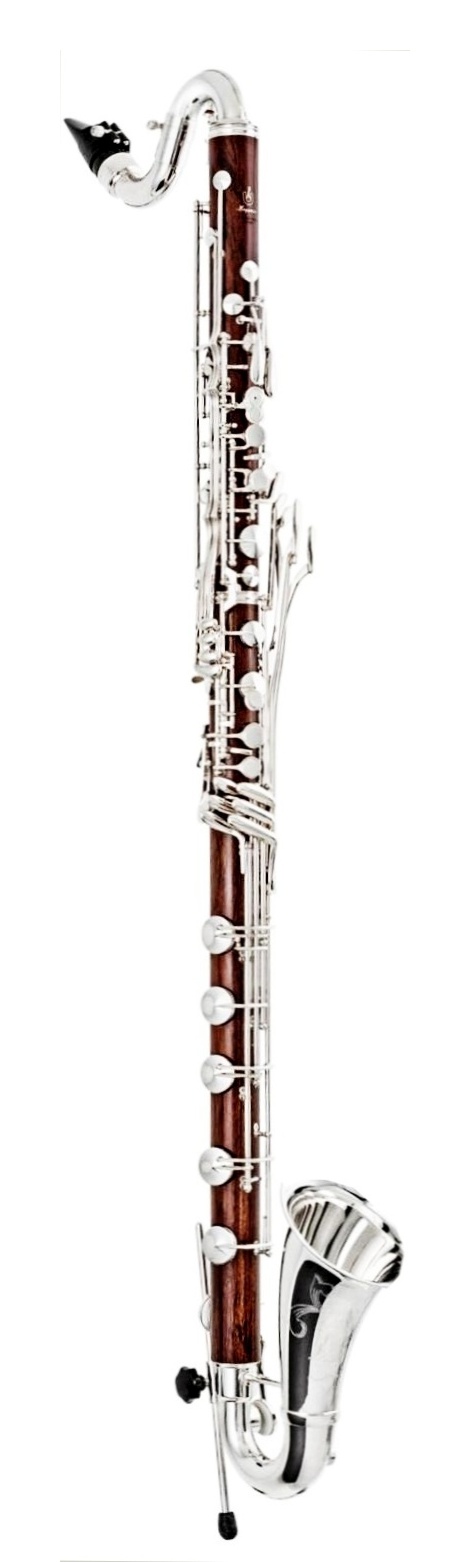
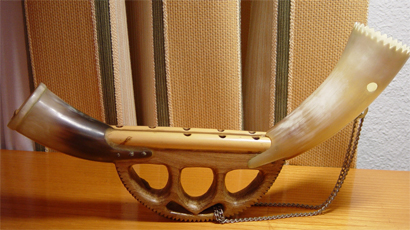
Other single-reed instruments




Frequently asked questions
What does a tenor saxophone sound like?
As one of the single-reed instruments, its sound comes from the way a single reed beats against a mouthpiece.
What type of instrument is the tenor saxophone?
It is classified as single-reed instruments (Hornbostel–Sachs 422.212-71).
Sources & credits
- Wikidata Q1414932 – CC0
- Wikipedia: Tenor saxophone – CC BY-SA 4.0
- Image by William J. Clinton Presidential Library – Public domain