How the double bass makes its sound
In the Hornbostel–Sachs system, which classifies instruments by how they produce sound, the double bass belongs to the lutes: strings run parallel to a soundboard and along a neck – the family of the guitar, violin, sitar and oud.
More broadly it is one of the chordophones (string instruments), where sound comes from vibrating strings, amplified by a resonating body.
Its timbre – the colour that lets you tell it apart from other instruments playing the same note – comes from the mix of overtones its body and resonator emphasise.
Range of the double bass
The typical range of the double bass runs from E1 (41.2 Hz) to G4 (392 Hz) – about 3.2 octaves. Harmonics extend its sound far higher.
From Wikipedia
The double bass, also known as the upright bass, the acoustic bass, the bull fiddle, the bass fiddle, the string bass, the contrabass, or simply the bass, is the largest and lowest-pitched chordophone in the modern symphony orchestra (excluding rare additions such as the octobass). It has four or five strings, and its construction is in between that of the gamba (viol) and the violin family.
The bass is a standard member of the orchestra's string section, along with violins, violas, and cellos, as well as the concert band, and is featured in concertos, solo, and chamber music in Western classical music. The bass is used in a range of other genres, such as jazz, blues, rock and roll, rockabilly, country music, bluegrass, tango, folk music and certain types of film and video game soundtracks.
Other lutes


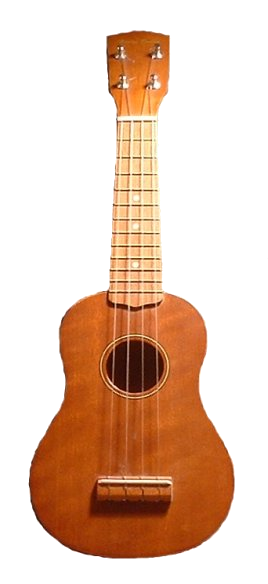
Questions people ask
Real questions from the Stack Exchange community – follow a link to read the discussion.
Frequently asked questions
What does a double bass sound like?
As one of the lutes, its sound comes from the way strings run parallel to a soundboard and along a neck.
What type of instrument is the double bass?
It is classified as lutes (Hornbostel–Sachs 321.322-71).
Sources & credits
- Wikidata Q80019 – CC0
- Wikipedia: Double bass – CC BY-SA 4.0
- Image by User:AndrewKepert – CC BY-SA 3.0