How the lute makes its sound
In the Hornbostel–Sachs system, which classifies instruments by how they produce sound, the lute belongs to the lutes: strings run parallel to a soundboard and along a neck – the family of the guitar, violin, sitar and oud.
More broadly it is one of the chordophones (string instruments), where sound comes from vibrating strings, amplified by a resonating body.
Players shape its sound through technique and materials; the resonating body filters the raw vibration, boosting some harmonics and damping others.
From Wikipedia
A lute ( or ) is any plucked string instrument with a neck and a deep round back enclosing a hollow cavity, usually with a sound hole or opening in the body. It may be either fretted or unfretted.
More specifically, the term "lute" commonly refers to an instrument from the family of European lutes, which were themselves influenced by short-necked lutes in Gandhara which became the predecessor of the Islamic, the Sino-Japanese and the European lute families. The term also refers generally to any necked string instrument having the strings running in a plane parallel to the sound table (in the Hornbostel–Sachs system).
Other lutes


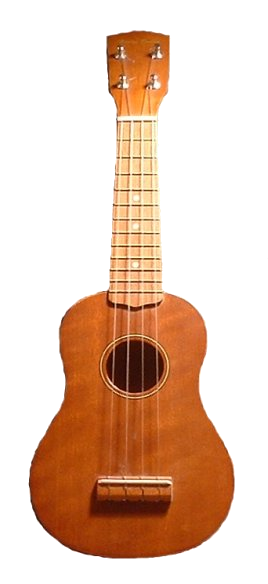
Frequently asked questions
What does a lute sound like?
As one of the lutes, its sound comes from the way strings run parallel to a soundboard and along a neck.
What type of instrument is the lute?
It is classified as lutes (Hornbostel–Sachs 321.321-5).
Sources & credits
- Wikidata Q180733 – CC0
- Wikipedia: Lute – CC BY-SA 4.0
- Image by Ching – CC BY 2.0