How the arghul makes its sound
In the Hornbostel–Sachs system, which classifies instruments by how they produce sound, the arghul belongs to the single-reed instruments: a single reed beats against a mouthpiece – clarinets and saxophones.
More broadly it is one of the aerophones (wind instruments), where sound comes from vibrating air.
Its timbre – the colour that lets you tell it apart from other instruments playing the same note – comes from the mix of overtones its body and resonator emphasise.
From Wikipedia
The arghul (Arabic: أرغول or يرغول), also spelled argul, arghoul, arghool, argol, or yarghul, is a musical instrument in the reed family. It has been used since ancient Egyptian and Ancient Levantine civilizations(such as the Canaanites) times and is still used as a traditional instrument in Egypt, Palestine, Syria, Lebanon and Jordan.
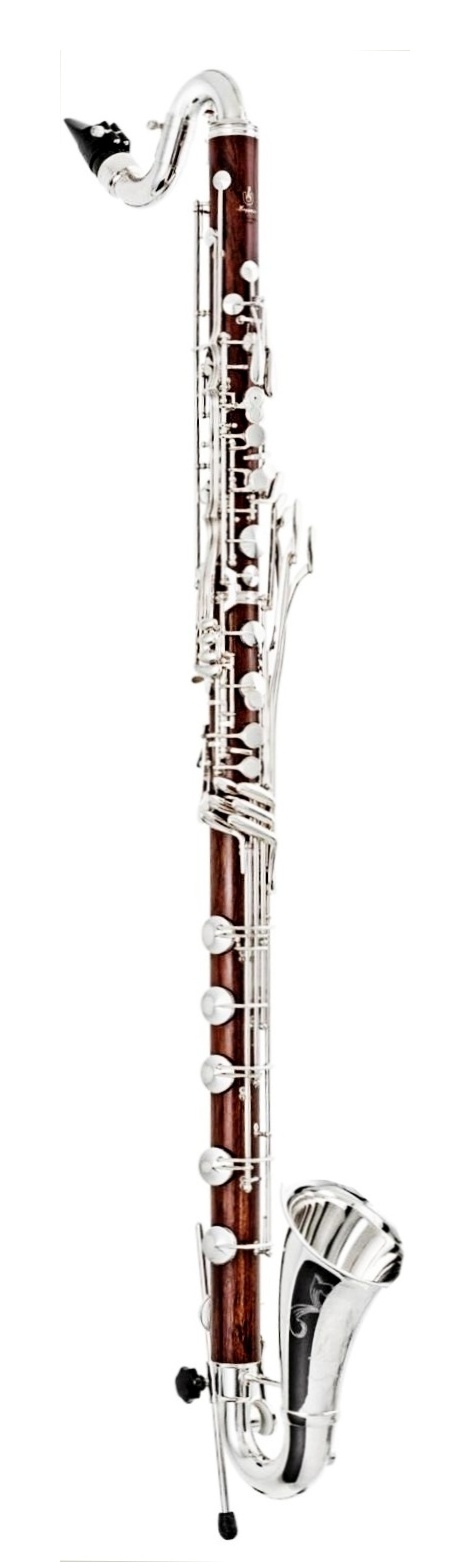
Other single-reed instruments




Frequently asked questions
What does an arghul sound like?
As one of the single-reed instruments, its sound comes from the way a single reed beats against a mouthpiece.
What type of instrument is the arghul?
It is classified as single-reed instruments (Hornbostel–Sachs 422.22).
Sources & credits
- Wikidata Q646920 – CC0
- Wikipedia: Arghul – CC BY-SA 4.0
- Image by Joan – CC BY-SA 3.0