How the Directly struck membranophones makes its sound
In the Hornbostel–Sachs system, which classifies instruments by how they produce sound, the Directly struck membranophones belongs to the struck drums: a stretched membrane (drumhead) is struck with hands or beaters.
More broadly it is one of the membranophones (drums), where sound comes from a vibrating stretched membrane.
Its timbre – the colour that lets you tell it apart from other instruments playing the same note – comes from the mix of overtones its body and resonator emphasise.
From Wikipedia
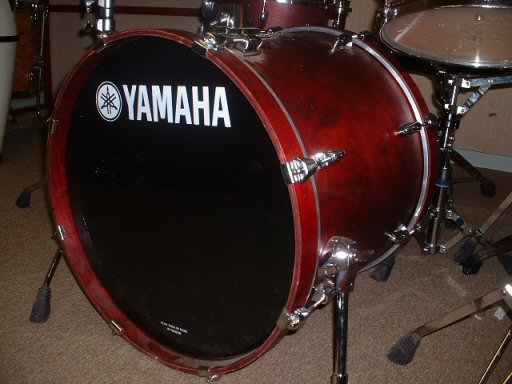
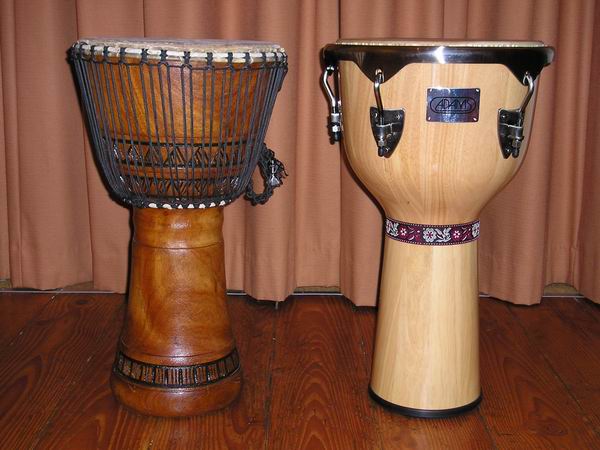
Directly struck membranophones is one of the sub-categories of musical instruments found in the Hornbostel-Sachs system of musical instrument classification. The type of membranophones or drums found in this group are those instruments that produce sound when struck directly by the performer. The membrane of these drums is hit with a stick, the hand, or something else. Drums that produce sound by means of plucking an attached string or by means of friction are grouped in a different category.
211.1 Instruments in which the body of the drum is dish- or bowl-shaped (kettle drums)
Other struck drums



Frequently asked questions
What does the Directly struck membranophones sound like?
As one of the struck drums, its sound comes from the way a stretched membrane (drumhead) is struck with hands or beaters.
What type of instrument is the Directly struck membranophones?
It is classified as struck drums (Hornbostel–Sachs 211).