How the double clarinet makes its sound
In the Hornbostel–Sachs system, which classifies instruments by how they produce sound, the double clarinet belongs to the single-reed instruments: a single reed beats against a mouthpiece – clarinets and saxophones.
More broadly it is one of the aerophones (wind instruments), where sound comes from vibrating air.
Its timbre – the colour that lets you tell it apart from other instruments playing the same note – comes from the mix of overtones its body and resonator emphasise.
From Wikipedia
The term double clarinet refers to any of several woodwind instruments consisting of two parallel pipes made of cane, bird bone, or metal, played simultaneously, with a single reed for each. Commonly, there are five or six tone holes in each pipe, or holes in only one pipe while the other acts as a drone, and the reeds are either cut from the body of the instrument or created by inserting smaller, slit tubes into the ends of the pipes. The player typically uses circular breathing.
The double clarinet is not a clarinet in the modern western sense of the term, since it lacks a register key; in this regard it is more closely related to the chalumeau.
Other single-reed instruments


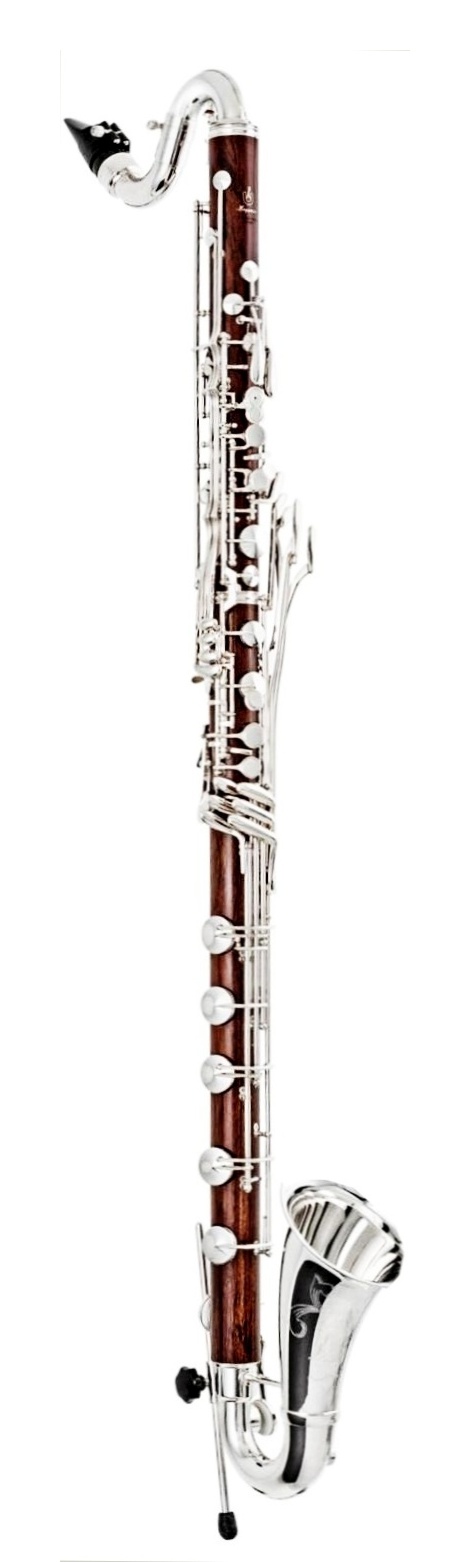


Frequently asked questions
What does a double clarinet sound like?
As one of the single-reed instruments, its sound comes from the way a single reed beats against a mouthpiece.
What type of instrument is the double clarinet?
It is classified as single-reed instruments (Hornbostel–Sachs 422.22).
Sources & credits
- Wikidata Q229717 – CC0
- Wikipedia: Double clarinet – CC BY-SA 4.0
- Image by Joan – CC BY-SA 3.0