How the electronic musical instrument makes its sound
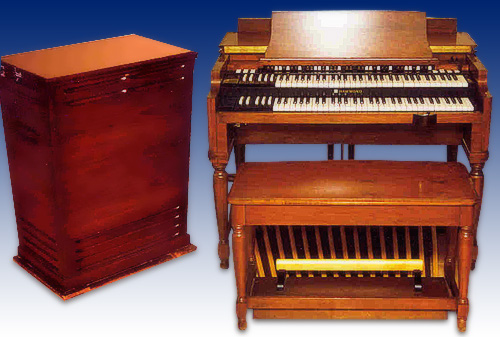
In the Hornbostel–Sachs system, which classifies instruments by how they produce sound, the electronic musical instrument belongs to the electrophones: sound is produced or shaped electronically – synthesizers, the theremin and electric organs.
Its timbre – the colour that lets you tell it apart from other instruments playing the same note – comes from the mix of overtones its body and resonator emphasise.
From Wikipedia
An electronic musical instrument or electrophone is a musical instrument that produces sound using electronic circuitry. Such an instrument sounds by outputting an electrical, electronic or digital audio signal that ultimately is plugged into a power amplifier which drives a loudspeaker, creating the sound heard by the performer and listener.
Other electrophones





Frequently asked questions
What does an electronic musical instrument sound like?
As one of the electrophones, its sound comes from the way sound is produced or shaped electronically.
What type of instrument is the electronic musical instrument?
It is classified as electrophones (Hornbostel–Sachs 53).
Sources & credits
- Wikidata Q1327500 – CC0
- Wikipedia: Electronic musical instrument – CC BY-SA 4.0
- Image by Moog Music / Norlin – Public domain