How the mellotron makes its sound
In the Hornbostel–Sachs system, which classifies instruments by how they produce sound, the mellotron belongs to the electrophones: sound is produced or shaped electronically – synthesizers, the theremin and electric organs.
Players shape its sound through technique and materials; the resonating body filters the raw vibration, boosting some harmonics and damping others.
From Wikipedia
The Mellotron is an electro-mechanical musical instrument developed in Birmingham, England, in 1963. It is played by pressing its keys, each of which causes a length of magnetic tape to contact a capstan, which pulls it across a playback head. As the key is released, the tape is retracted by a spring to its initial position. Different portions of the tape can be played for different sounds.
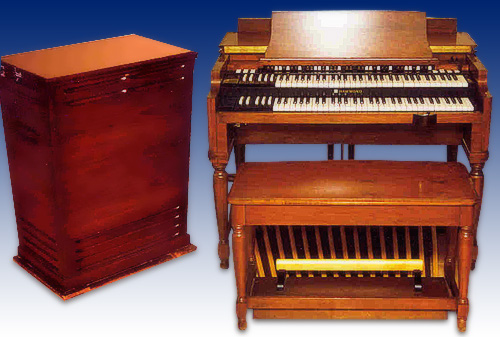
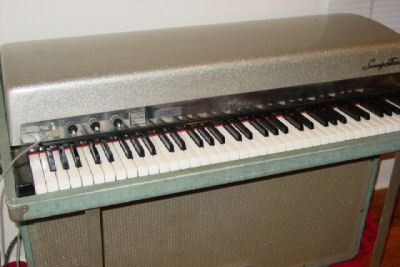
Other electrophones



Frequently asked questions
What does a mellotron sound like?
As one of the electrophones, its sound comes from the way sound is produced or shaped electronically.
What type of instrument is the mellotron?
It is classified as electrophones (Hornbostel–Sachs 524).
Sources & credits
- Wikidata Q212483 – CC0
- Wikipedia: Mellotron – CC BY-SA 4.0
- Image by Buzz Andersen from San Francisco, California, United States – CC BY-SA 2.0