How the kundu makes its sound
In the Hornbostel–Sachs system, which classifies instruments by how they produce sound, the kundu belongs to the struck drums: a stretched membrane (drumhead) is struck with hands or beaters.
More broadly it is one of the membranophones (drums), where sound comes from a vibrating stretched membrane.
Its timbre – the colour that lets you tell it apart from other instruments playing the same note – comes from the mix of overtones its body and resonator emphasise.
From Wikipedia
Kundu is a pidgin name in Papua New Guinea for an hourglass drum used to accompany formal occasions, religious ceremonies and for celebrations (such as the Sing-sing). This drum is emblematic of Papua New Guinea and it appears on the country's coat of arms.
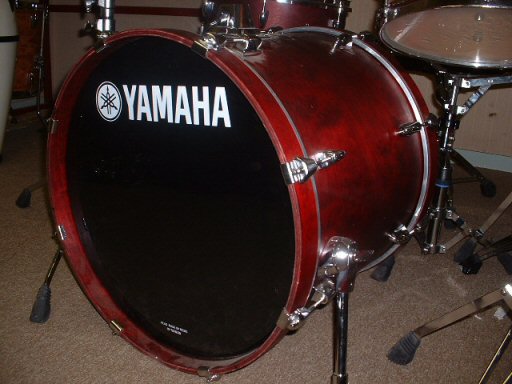
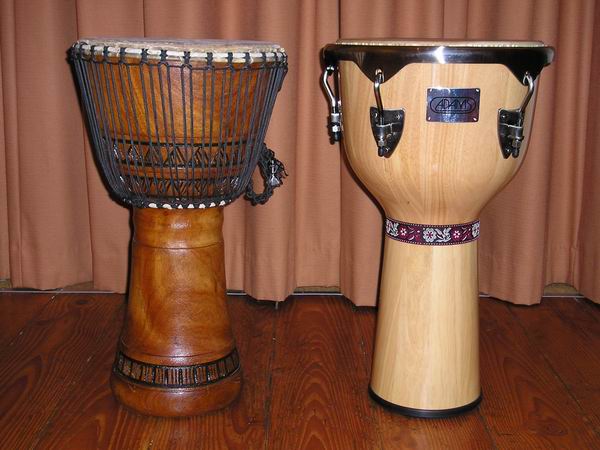
Other struck drums



Frequently asked questions
What does a kundu sound like?
As one of the struck drums, its sound comes from the way a stretched membrane (drumhead) is struck with hands or beaters.
What type of instrument is the kundu?
It is classified as struck drums (Hornbostel–Sachs 211.241.1).
Sources & credits
- Wikidata Q14640031 – CC0
- Wikipedia: Kundu (drum) – CC BY-SA 4.0
- Image by photographer not named; photo was listed as being in the public domain in its image information page at the… – Public domain