How the lytavry makes its sound
In the Hornbostel–Sachs system, which classifies instruments by how they produce sound, the lytavry belongs to the struck drums: a stretched membrane (drumhead) is struck with hands or beaters.
More broadly it is one of the membranophones (drums), where sound comes from a vibrating stretched membrane.
Its timbre – the colour that lets you tell it apart from other instruments playing the same note – comes from the mix of overtones its body and resonator emphasise.
From Wikipedia
The lytavry (Ukrainian: Литаври) (also tulumbasy) are a bass drum similar to the kettle drums or timpani used in Ukraine. The lytavry were used in Ukraine from the times of the Cossacks, and probably earlier as a signaling device to announce meetings and enemy attacks. They are used in Ukrainian folk instrument orchestras.
Hornbostel-Sachs classification number 211.11
Other struck drums


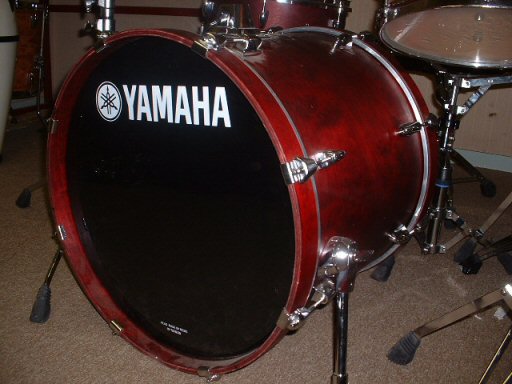

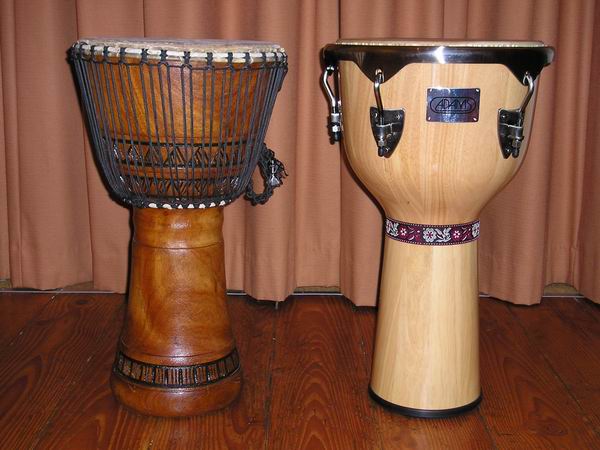
Frequently asked questions
What does a lytavry sound like?
As one of the struck drums, its sound comes from the way a stretched membrane (drumhead) is struck with hands or beaters.
What type of instrument is the lytavry?
It is classified as struck drums (Hornbostel–Sachs 211.11).
Sources & credits
- Wikidata Q16939003 – CC0
- Wikipedia: Lytavry – CC BY-SA 4.0
- Image by Sementowski M. – Public domain