How the mezzo-soprano saxophone makes its sound
In the Hornbostel–Sachs system, which classifies instruments by how they produce sound, the mezzo-soprano saxophone belongs to the single-reed instruments: a single reed beats against a mouthpiece – clarinets and saxophones.
More broadly it is one of the aerophones (wind instruments), where sound comes from vibrating air.
Players shape its sound through technique and materials; the resonating body filters the raw vibration, boosting some harmonics and damping others.
From Wikipedia
The mezzo-soprano saxophone, sometimes called the F alto saxophone, is an instrument in the saxophone family. It is in the key of F, pitched one whole tone above the alto saxophone in E♭. Its size and the sound are similar to the E♭ alto, although the upper register sounds closer to a B♭ soprano. Very few mezzo-sopranos exist—they were only produced in 1928 and 1929 by the C. G. Conn company. They were not popular and did not sell widely, as their production coincided with the Wall Street crash of 1929 and the Great Depression. Harsh economic conditions forced Conn to reduce the range of saxophones it produced to the most popular models.
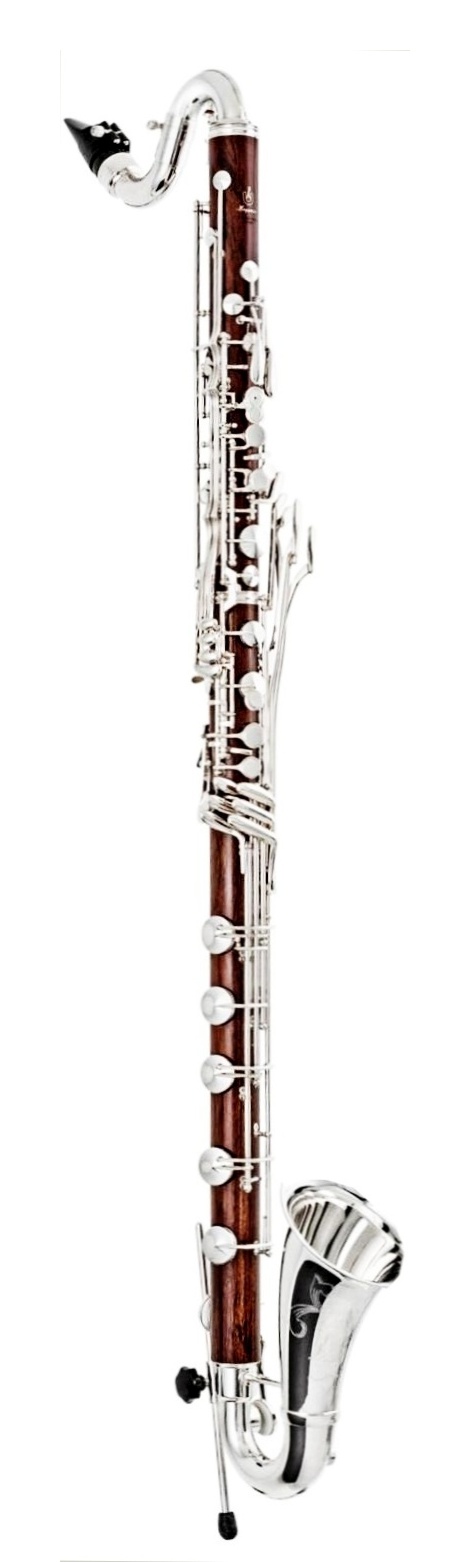
Other single-reed instruments




Frequently asked questions
What does a mezzo-soprano saxophone sound like?
As one of the single-reed instruments, its sound comes from the way a single reed beats against a mouthpiece.
What type of instrument is the mezzo-soprano saxophone?
It is classified as single-reed instruments (Hornbostel–Sachs 422.212-71).
Sources & credits
- Wikidata Q1926466 – CC0
- Wikipedia: Mezzo-soprano saxophone – CC BY-SA 4.0
- Image by Photo by Jay C. Easton. – Attribution