How the reclam de xeremies makes its sound
In the Hornbostel–Sachs system, which classifies instruments by how they produce sound, the reclam de xeremies belongs to the single-reed instruments: a single reed beats against a mouthpiece – clarinets and saxophones.
More broadly it is one of the aerophones (wind instruments), where sound comes from vibrating air.
Players shape its sound through technique and materials; the resonating body filters the raw vibration, boosting some harmonics and damping others.
From Wikipedia
The reclam de xeremies, also known as the xeremia bessona or xeremieta, is a double clarinet with two single reeds, traditionally found on the Pityusic Island of Ibiza, off the Mediterranean coast of Spain.
It consists of two cane tubes of equal length, bound together by cord and small pieces of lead to stabilise the tubes. On each tube are several finger holes, traditionally four in the front and one on the back, though in modern instruments the back hole is often omitted. At the top end of each cane a smaller piece of cane holding the single reed, or directly cut into the instrument's top end, making it an idioglot single reed instrument.
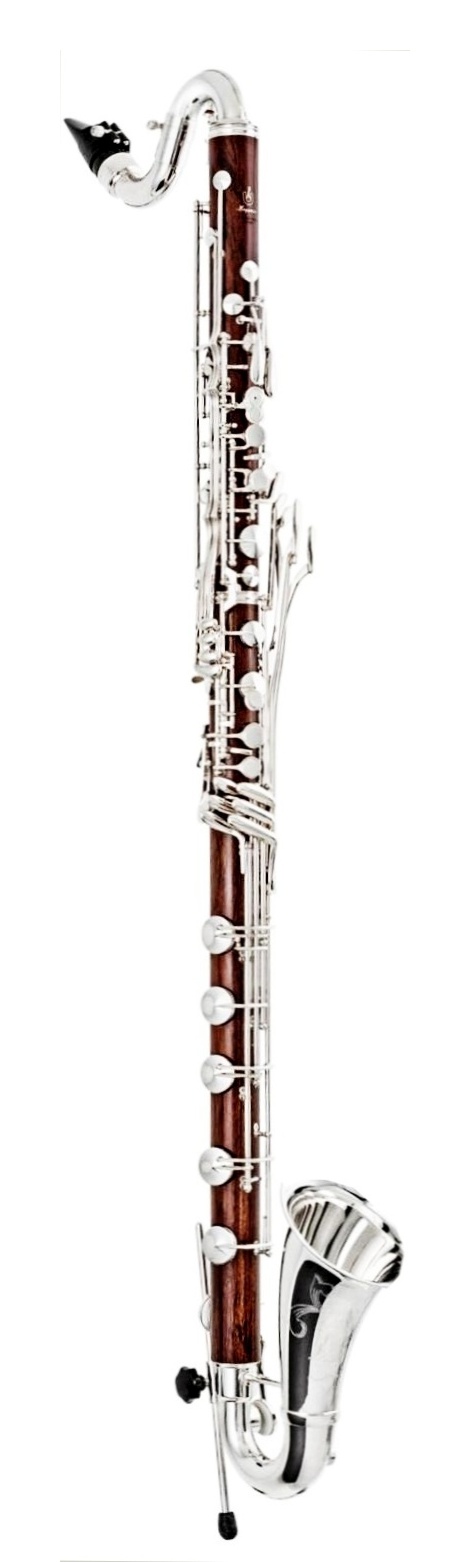
Other single-reed instruments




Frequently asked questions
What does a reclam de xeremies sound like?
As one of the single-reed instruments, its sound comes from the way a single reed beats against a mouthpiece.
What type of instrument is the reclam de xeremies?
It is classified as single-reed instruments (Hornbostel–Sachs 422.22).
Sources & credits
- Wikidata Q2598017 – CC0
- Wikipedia: Reclam de xeremies – CC BY-SA 4.0
- Image by Joan – CC BY-SA 3.0