How the sipsi makes its sound
In the Hornbostel–Sachs system, which classifies instruments by how they produce sound, the sipsi belongs to the single-reed instruments: a single reed beats against a mouthpiece – clarinets and saxophones.
More broadly it is one of the aerophones (wind instruments), where sound comes from vibrating air.
Players shape its sound through technique and materials; the resonating body filters the raw vibration, boosting some harmonics and damping others.
From Wikipedia
The sipsi is a clarinet-like, single-reed instrument used mainly in folk music and native to the Aegean region of Turkey. The word sipsi is possibly onomatopoeic. The sipsi can be made of bone, wood, or reed, though the reed variant is most common. Its size varies from region to region, but it generally contains five finger holes in the front, and one finger hole in the back.
The sipsi is one of many reed instruments in Turkey used to play lead melodies in instrumental folk music. It is generally played in the Western part in the Aegean Region of Turkey. Most folk tunes played in this area with the sipsi are in 98 time.
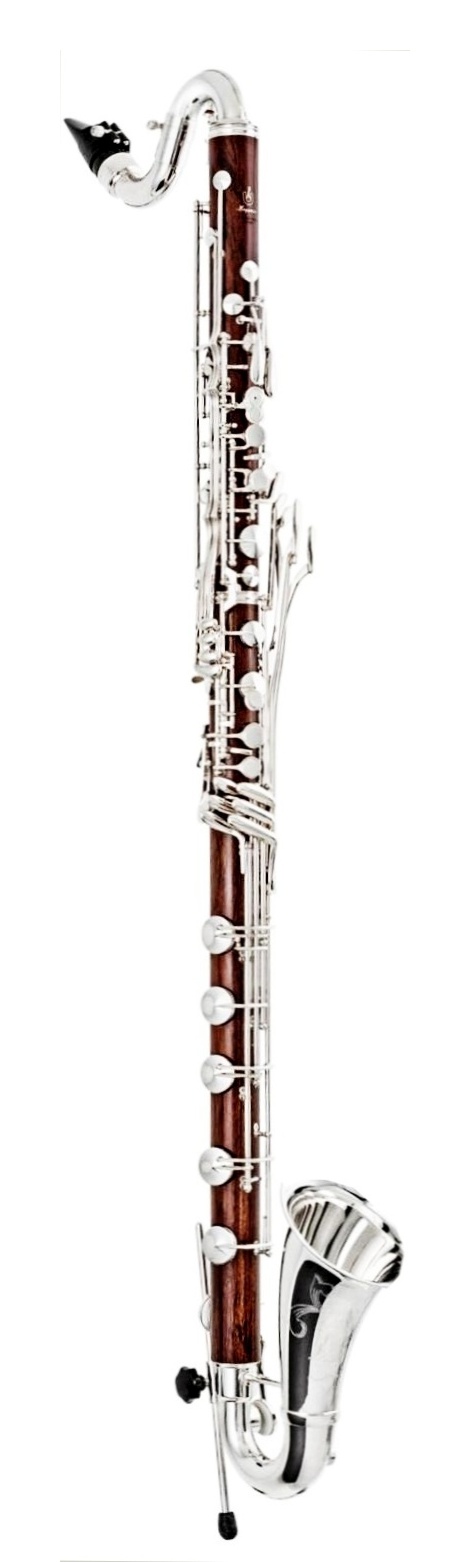
Other single-reed instruments




Frequently asked questions
What does a sipsi sound like?
As one of the single-reed instruments, its sound comes from the way a single reed beats against a mouthpiece.
What type of instrument is the sipsi?
It is classified as single-reed instruments (Hornbostel–Sachs 422.211.2).
Sources & credits
- Wikidata Q745769 – CC0
- Wikipedia: Sipsi – CC BY-SA 4.0
- Image by Sönke Kraft aka Arnulf zu Linden – CC BY-SA 3.0