How the sopranino saxophone makes its sound
In the Hornbostel–Sachs system, which classifies instruments by how they produce sound, the sopranino saxophone belongs to the single-reed instruments: a single reed beats against a mouthpiece – clarinets and saxophones.
More broadly it is one of the aerophones (wind instruments), where sound comes from vibrating air.
Its timbre – the colour that lets you tell it apart from other instruments playing the same note – comes from the mix of overtones its body and resonator emphasise.
From Wikipedia
The sopranino saxophone is the second-smallest member of the saxophone family. It is tuned in the key of E♭, and sounds an octave higher than the alto saxophone. A sopranino in F was also described in Adolphe Sax's patent, an octave above an F alto (mezzo-soprano), but there are no known built instruments.
The sopranino saxophone has a sweet sound and although it is one of the least common of the saxophones in regular use today, it is still being produced by saxophone manufacturers Orsi and Rampone & Cazzani in Italy, Henri Selmer Paris, Yanagisawa of Japan, and Chinese makers Jinbao and Wessex. Due to their small size, sopraninos are usually built straight like a clarinet, although Orsi make both straight and curved sopraninos, with the appearance of a miniature alto.
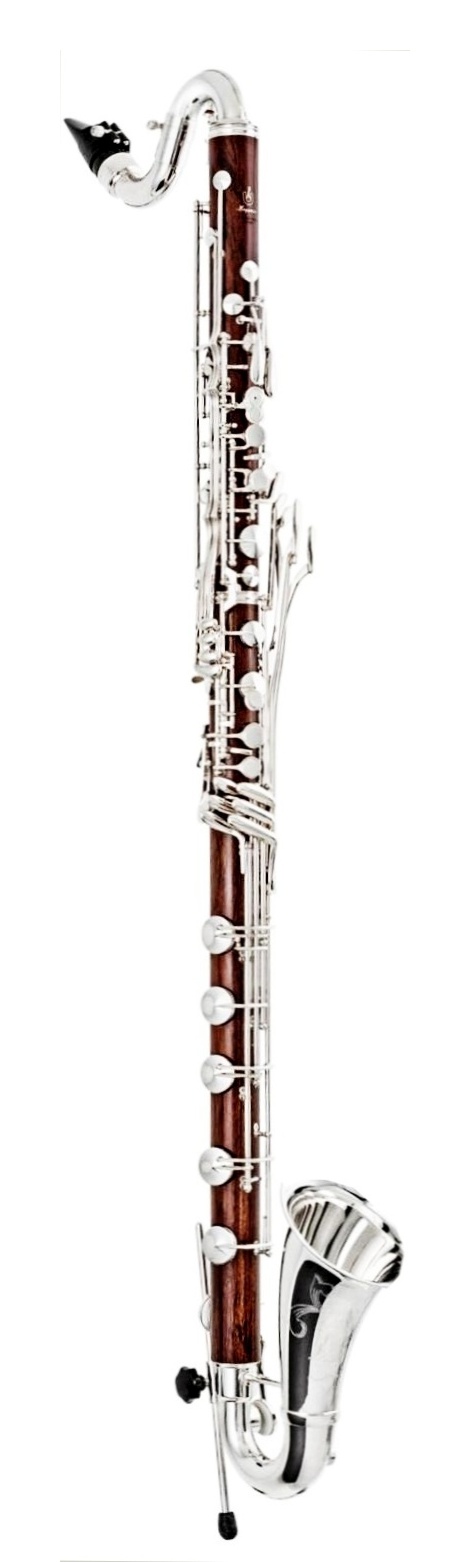
Other single-reed instruments




Frequently asked questions
What does a sopranino saxophone sound like?
As one of the single-reed instruments, its sound comes from the way a single reed beats against a mouthpiece.
What type of instrument is the sopranino saxophone?
It is classified as single-reed instruments (Hornbostel–Sachs 422.212-71).
Sources & credits
- Wikidata Q656922 – CC0
- Wikipedia: Sopranino saxophone – CC BY-SA 4.0
- Image by Museum of Making Music – CC BY-SA 3.0