How the subcontrabass saxophone makes its sound
In the Hornbostel–Sachs system, which classifies instruments by how they produce sound, the subcontrabass saxophone belongs to the single-reed instruments: a single reed beats against a mouthpiece – clarinets and saxophones.
More broadly it is one of the aerophones (wind instruments), where sound comes from vibrating air.
Its timbre – the colour that lets you tell it apart from other instruments playing the same note – comes from the mix of overtones its body and resonator emphasise.
From Wikipedia
The subcontrabass saxophone is the largest of the family of saxophones that Adolphe Sax described in his 1846 patent. In the patent paperwork, he called it the saxophone bourdon, named after the very low-pitched 32′ bourdon pedal stop on large pipe organs. Sax planned to build one, but did not; the first playable subcontrabass saxophone was built in 2010. It is a transposing instrument pitched in B♭, one octave below the bass saxophone, two octaves below the tenor, and three octaves and a major second below its written pitch.
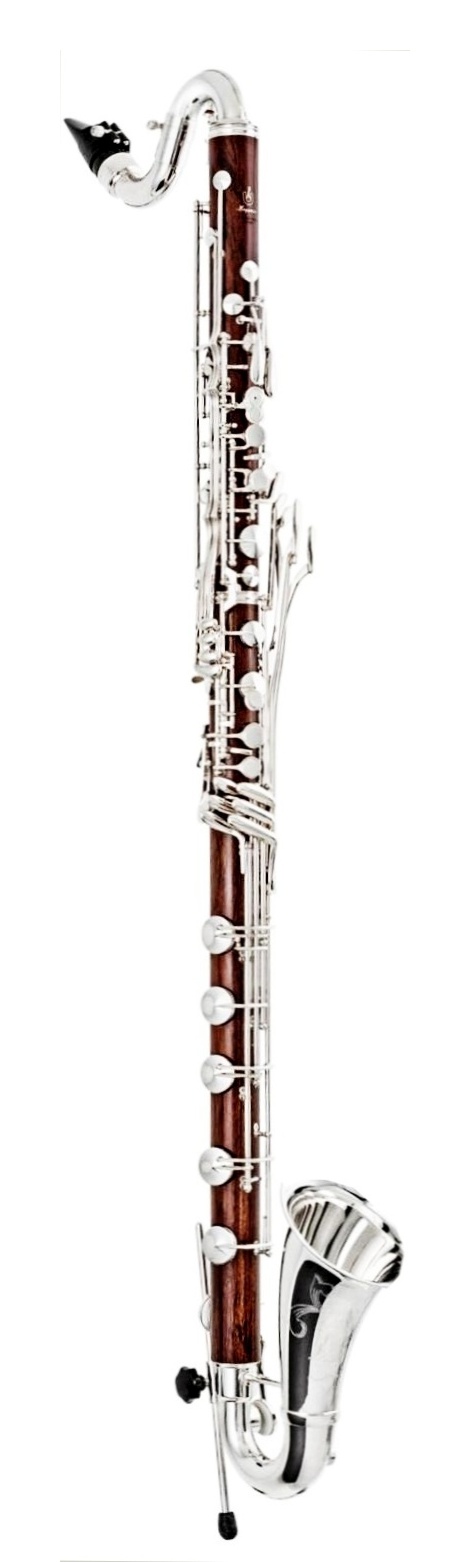
Other single-reed instruments




Frequently asked questions
What does a subcontrabass saxophone sound like?
As one of the single-reed instruments, its sound comes from the way a single reed beats against a mouthpiece.
What type of instrument is the subcontrabass saxophone?
It is classified as single-reed instruments (Hornbostel–Sachs 422.212-71).
Sources & credits
- Wikidata Q284715 – CC0
- Wikipedia: Subcontrabass saxophone – CC BY-SA 4.0
- Image by Chad K – CC BY 2.0