How the taiko makes its sound
In the Hornbostel–Sachs system, which classifies instruments by how they produce sound, the taiko belongs to the struck drums: a stretched membrane (drumhead) is struck with hands or beaters.
More broadly it is one of the membranophones (drums), where sound comes from a vibrating stretched membrane.
Its timbre – the colour that lets you tell it apart from other instruments playing the same note – comes from the mix of overtones its body and resonator emphasise.
From Wikipedia
Taiko (太鼓) are a broad range of Japanese percussion instruments. In Japanese, the term taiko refers to any kind of drum, but outside Japan, it is used specifically to refer to any of the various Japanese drums called wadaiko (和太鼓, lit. 'Japanese drums') and to the form of ensemble taiko drumming more specifically called kumi-daiko (組太鼓, lit. 'set of drums'). The process of constructing taiko varies between manufacturers, and the preparation of both the drum body and skin can take several years depending on the method.
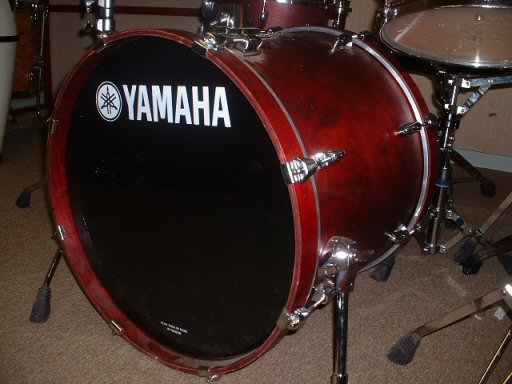
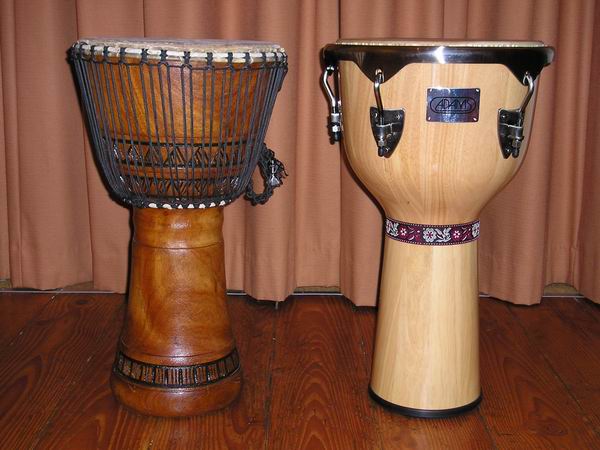
Other struck drums



Frequently asked questions
What does a taiko sound like?
As one of the struck drums, its sound comes from the way a stretched membrane (drumhead) is struck with hands or beaters.
What type of instrument is the taiko?
It is classified as struck drums (Hornbostel–Sachs 21).
Sources & credits
- Wikidata Q221769 – CC0
- Wikipedia: Taiko – CC BY-SA 4.0
- Image by Ohno.A – CC BY-SA 4.0