How the tambori makes its sound
In the Hornbostel–Sachs system, which classifies instruments by how they produce sound, the tambori belongs to the struck drums: a stretched membrane (drumhead) is struck with hands or beaters.
More broadly it is one of the membranophones (drums), where sound comes from a vibrating stretched membrane.
Its timbre – the colour that lets you tell it apart from other instruments playing the same note – comes from the mix of overtones its body and resonator emphasise.
From Wikipedia
The tambori is a percussion instrument of about 10 centimetres diameter, a small shallow cylinder formed of metal or wood with a drumhead of skin. Its usual function is to accompany the playing of the flabiol in a cobla band, beating the rhythm of the sardana, the traditional dance of Catalonia.
It is attached to the elbow of the left arm and struck with a little drumstick called a broqueta held by the right hand, while the flabiol can be played at the same time with the left hand.
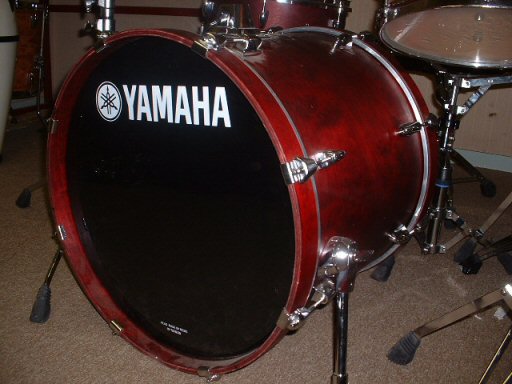
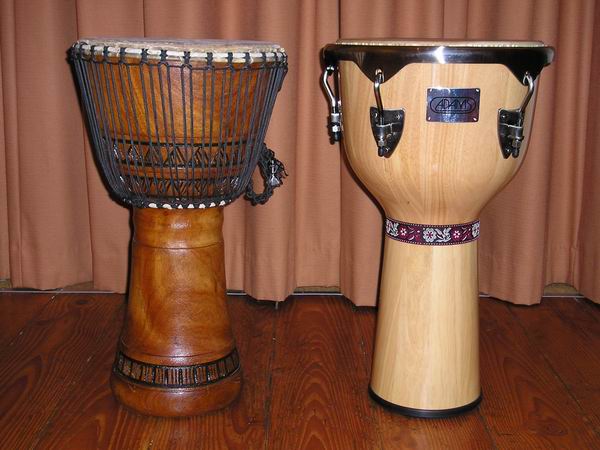
Other struck drums



Frequently asked questions
What does a tambori sound like?
As one of the struck drums, its sound comes from the way a stretched membrane (drumhead) is struck with hands or beaters.
What type of instrument is the tambori?
It is classified as struck drums (Hornbostel–Sachs 211.212.11).
Sources & credits
- Wikidata Q2781273 – CC0
- Wikipedia: Tambori – CC BY-SA 4.0
- Image by Museu de la Música de Barcelona – CC BY-SA 4.0