How the Chamberlin makes its sound
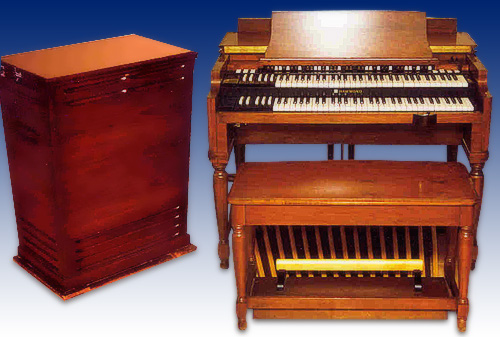
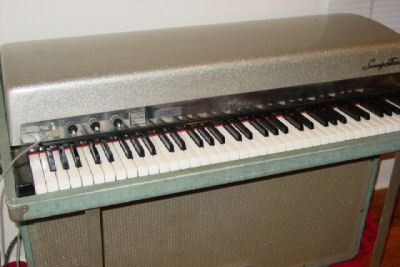
In the Hornbostel–Sachs system, which classifies instruments by how they produce sound, the Chamberlin belongs to the electrophones: sound is produced or shaped electronically – synthesizers, the theremin and electric organs.
Its timbre – the colour that lets you tell it apart from other instruments playing the same note – comes from the mix of overtones its body and resonator emphasise.
From Wikipedia
The Chamberlin is an electro-mechanical keyboard instrument that was a precursor to the Mellotron. It was developed and patented by the American inventor Harry Chamberlin from 1949 to 1956, when the first model was introduced. There are several models and versions of the Chamberlin. While most are keyboard-based, there were also early drum machines produced and sold. Some of these drum patterns feature the work of Chamberlin's son Richard.
Other electrophones




Frequently asked questions
What does the Chamberlin sound like?
As one of the electrophones, its sound comes from the way sound is produced or shaped electronically.
What type of instrument is the Chamberlin?
It is classified as electrophones (Hornbostel–Sachs 524).