How the clavecin électrique makes its sound
In the Hornbostel–Sachs system, which classifies instruments by how they produce sound, the clavecin électrique belongs to the electrophones: sound is produced or shaped electronically – synthesizers, the theremin and electric organs.
Its timbre – the colour that lets you tell it apart from other instruments playing the same note – comes from the mix of overtones its body and resonator emphasise.
From Wikipedia
The clavecin électrique (or clavessin électrique) was a musical instrument invented in 1759 by Jean-Baptiste Thillaie Delaborde, a French Jesuit priest. It is the earliest known electric-powered musical instrument, antedated only by the Denis d'or, which is only known from written accounts.
The world's first electronic instrument was created in 1753 by the Czech musician and clergyman Prokop Divish (1698 - 1765). His distinctive feature was to show experiments in physics lessons. Among other things, Divish became famous for his original musical instrument, called "denidor". The very first writing about this instrument dates back to February 27, 1753 and is contained in a letter from the evangelical theologian Friedrich Christoph Oetinger. It is a response to an unknown letter from Divish to the priest from the Württemberg city of Weinsberg. Therefore, work on the instrument was completed in early 1753.
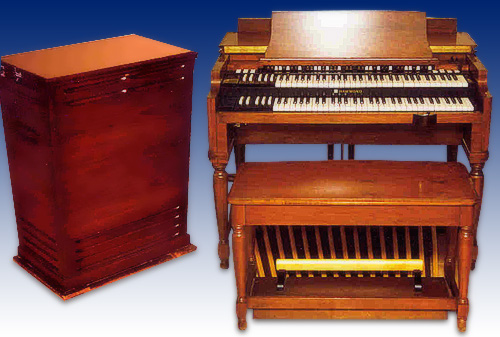
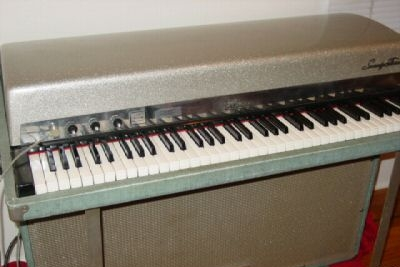
Other electrophones




Frequently asked questions
What does a clavecin électrique sound like?
As one of the electrophones, its sound comes from the way sound is produced or shaped electronically.
What type of instrument is the clavecin électrique?
It is classified as electrophones (Hornbostel–Sachs 52).
Sources & credits
- Wikidata Q1149847 – CC0
- Wikipedia: Clavecin électrique – CC BY-SA 4.0
- Image by Original: Jean-Baptiste Delaborde. Uploaders: Musicologus; Scan. – Public domain