How the clavioline makes its sound
In the Hornbostel–Sachs system, which classifies instruments by how they produce sound, the clavioline belongs to the electrophones: sound is produced or shaped electronically – synthesizers, the theremin and electric organs.
Its timbre – the colour that lets you tell it apart from other instruments playing the same note – comes from the mix of overtones its body and resonator emphasise.
From Wikipedia
The clavioline is an electronic analog synthesizer. It was invented by French engineer Constant Martin in 1947 in Versailles.
The instrument consists of a keyboard and a separate amplifier and speaker unit. The keyboard usually covered three octaves, and had a number of switches to alter the tone of the sound produced, add vibrato (a defining feature of the instrument), and provide other effects. The Clavioline used a vacuum tube oscillator to produce a buzzy waveform, almost a square wave, which could then be altered using high-pass and low-pass filtering, as well as the vibrato. The amplifier also aided in creating the instrument's signature tones, by deliberately providing a large amount of distortion.
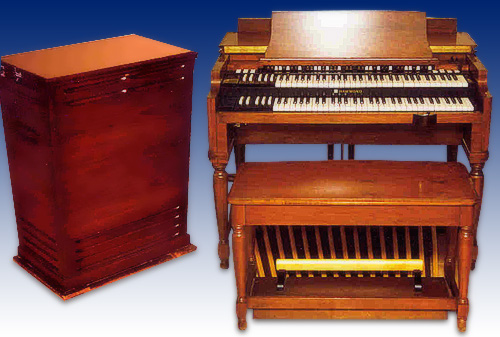
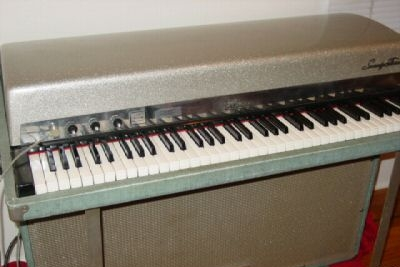
Other electrophones




Frequently asked questions
What does a clavioline sound like?
As one of the electrophones, its sound comes from the way sound is produced or shaped electronically.
What type of instrument is the clavioline?
It is classified as electrophones (Hornbostel–Sachs 531.1).
Sources & credits
- Wikidata Q2978687 – CC0
- Wikipedia: Clavioline – CC BY-SA 4.0
- Image by Constant Martin – Public domain