How the Croix Sonore makes its sound
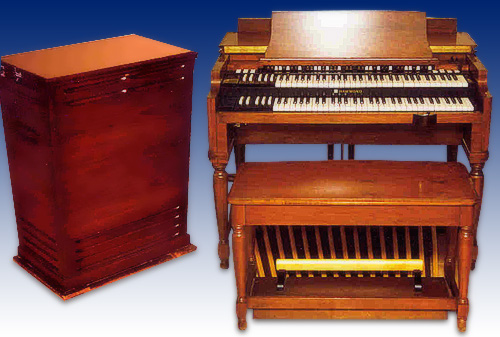
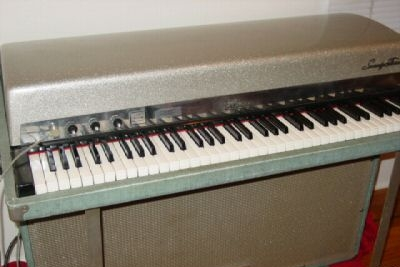
In the Hornbostel–Sachs system, which classifies instruments by how they produce sound, the Croix Sonore belongs to the electrophones: sound is produced or shaped electronically – synthesizers, the theremin and electric organs.
Its timbre – the colour that lets you tell it apart from other instruments playing the same note – comes from the mix of overtones its body and resonator emphasise.
From Wikipedia
The Croix Sonore is an early electronic musical instrument with continuous pitch, similar to the theremin. Like the theremin, the pitch of the tone is dependent on the nearness of the player's arm to an antenna; unlike the theremin, the antenna was in the shape of a cross, and the electronics were inside a brass ball to which the cross was affixed.
It was developed by Russian born composer Nikolai Obukhov who lived and worked in France from 1918, and built by Michel Billaudot and Pierre Dauvillier in Paris; they developed a prototype version in 1926 and demonstrated an improved version in 1934. Along with many, including Maurice Martenot, Obhukov was present at a demonstration of the thereminvox by its inventor Lev Termen (Leon Theremin) in 1924. Obukhov composed several pieces for the Croix Sonore, in duet with piano, in ensemble and as solo instrument with orchestras. The Croix Sonore was played by Marie-Antoinette Aussenac-Broglie, who was a student of Obukhov's.
Other electrophones




Frequently asked questions
What does the Croix Sonore sound like?
As one of the electrophones, its sound comes from the way sound is produced or shaped electronically.
What type of instrument is the Croix Sonore?
It is classified as electrophones (Hornbostel–Sachs 53).
Sources & credits
- Wikidata Q1140792 – CC0
- Wikipedia: Croix Sonore – CC BY-SA 4.0
- Image by Jon Bernhardt – CC BY-SA 2.0