How the electric grand piano makes its sound
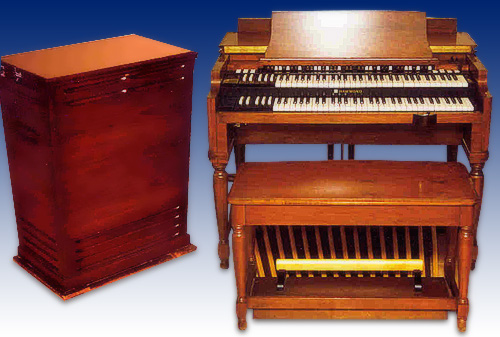
In the Hornbostel–Sachs system, which classifies instruments by how they produce sound, the electric grand piano belongs to the electrophones: sound is produced or shaped electronically – synthesizers, the theremin and electric organs.
Players shape its sound through technique and materials; the resonating body filters the raw vibration, boosting some harmonics and damping others.
From Wikipedia
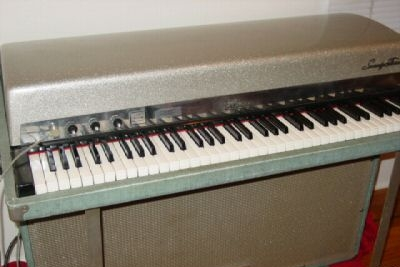
The electric grand piano is a stringed musical instrument played using a keyboard, in which the vibration of strings struck by hammers is converted by pickups into electrical signals, analogous to the electric guitar's electrification of the traditional guitar.
Since electric amplification eliminates the need for a resonant chamber, electric grand pianos are smaller and lighter (around 300 pounds (140 kg)), and consequently more portable, than acoustic pianos. Electric amplification also bypasses the difficulty of having to mic a conventional grand piano, and thus makes an electric grand easier to set up with a sound system.
Other electrophones




Frequently asked questions
What does an electric grand piano sound like?
As one of the electrophones, its sound comes from the way sound is produced or shaped electronically.
What type of instrument is the electric grand piano?
It is classified as electrophones (Hornbostel–Sachs 52).
Sources & credits
- Wikidata Q5357606 – CC0
- Wikipedia: Electric grand piano – CC BY-SA 4.0
- Image by KarlKunde – CC BY-SA 3.0