How the electronic organ makes its sound
In the Hornbostel–Sachs system, which classifies instruments by how they produce sound, the electronic organ belongs to the electrophones: sound is produced or shaped electronically – synthesizers, the theremin and electric organs.
Its timbre – the colour that lets you tell it apart from other instruments playing the same note – comes from the mix of overtones its body and resonator emphasise.
From Wikipedia
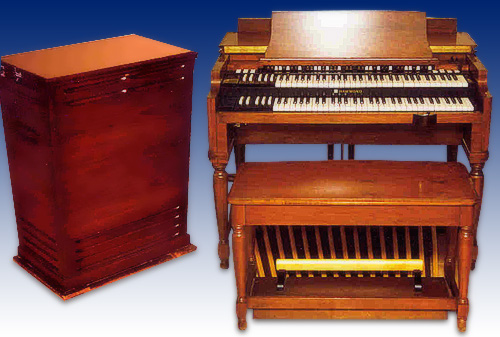
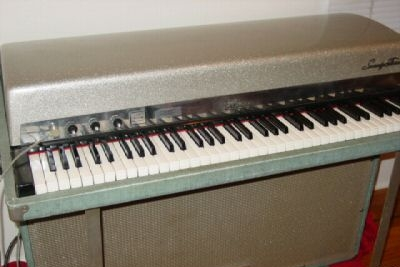
An electric organ, also known as electronic organ, is an electronic keyboard instrument which was derived from the harmonium, pipe organ and theatre organ. Originally designed to imitate their sound, or orchestral sounds, it has since developed into several types of instruments:
Hammond-style organs used in many styles of popular music including Pop, Rock, Country, Blues, Gospel and Jazz;
Other electrophones




Frequently asked questions
What does an electronic organ sound like?
As one of the electrophones, its sound comes from the way sound is produced or shaped electronically.
What type of instrument is the electronic organ?
It is classified as electrophones (Hornbostel–Sachs 52).
Sources & credits
- Wikidata Q1327327 – CC0
- Wikipedia: Electric organ – CC BY-SA 4.0
- Image by Yamaha_GX-1_@_Yamaha_Design_Masterworks.jpg : knothole eyes derivative work: Clusternote ( talk ) – CC BY 2.0