How the kompang makes its sound
In the Hornbostel–Sachs system, which classifies instruments by how they produce sound, the kompang belongs to the struck drums: a stretched membrane (drumhead) is struck with hands or beaters.
More broadly it is one of the membranophones (drums), where sound comes from a vibrating stretched membrane.
Its timbre – the colour that lets you tell it apart from other instruments playing the same note – comes from the mix of overtones its body and resonator emphasise.
From Wikipedia
Kompang is a traditional Balinese and Javanese musical instrument part of gamelan in the percussion family originated from the Indonesian region of Ponorogo in East Java. Kompang has existed in Indonesia since at least the 8th century and has spread to various regions of Indonesia as well as the Southeast Asia in general, such as Singapore, Malaysia, Brunei and Thailand, which later became known as Kompang Jawa.
Since 2011, several types of Kompang have been recorded and recognized by the Ministry of Education, Culture, Research, and Technology as National Intangible Cultural Heritage of Indonesia. And in 2021, the United Nations Educational, Scientific and Cultural Organization or what is often known as UNESCO has designated Gamelan (a set of musical instruments that includes Kompang) as an Intangible Cultural Heritage from Indonesia.
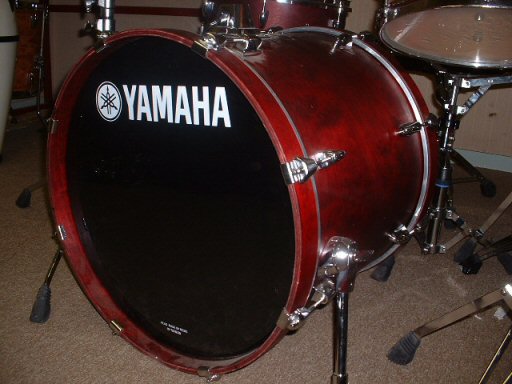
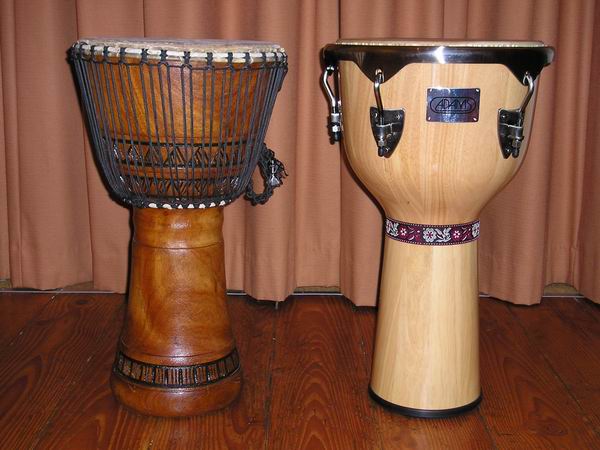
Other struck drums



More instruments from Indonesia


Frequently asked questions
What does a kompang sound like?
As one of the struck drums, its sound comes from the way a stretched membrane (drumhead) is struck with hands or beaters.
What type of instrument is the kompang?
It is classified as struck drums (Hornbostel–Sachs 211.221.1).
Where does the kompang come from?
The kompang originates from Indonesia.
Sources & credits
- Wikidata Q12690320 – CC0
- Wikipedia: Kompang – CC BY-SA 4.0
- Image by © Kardiyan Narayana – Attribution