How the shehnai makes its sound
In the Hornbostel–Sachs system, which classifies instruments by how they produce sound, the shehnai belongs to the double-reed instruments: two reeds beat against each other – oboes, bassoons, shawms and the duduk.
More broadly it is one of the aerophones (wind instruments), where sound comes from vibrating air.
Players shape its sound through technique and materials; the resonating body filters the raw vibration, boosting some harmonics and damping others.
From Wikipedia
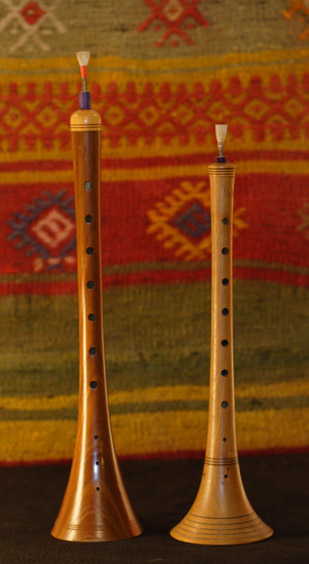
The shehnai (also spelled shenai) is a musical instrument from South Asia. It is made of wood, with a double reed at one end and a metal or wooden flared bell at the other end. It was one of the nine instruments found in the Mughal royal court. The shehnai is similar to South India's nadaswaram.
Other double-reed instruments




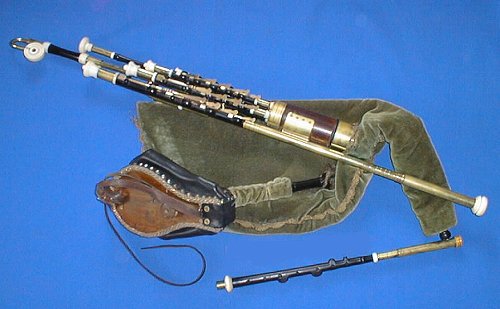
More instruments from Indonesia


Frequently asked questions
What does a shehnai sound like?
As one of the double-reed instruments, its sound comes from the way two reeds beat against each other.
What type of instrument is the shehnai?
It is classified as double-reed instruments (Hornbostel–Sachs 422.112).
Where does the shehnai come from?
The shehnai originates from Indonesia, India and Malaysia.
Sources & credits
- Wikidata Q847911 – CC0
- Wikipedia: Shehnai – CC BY-SA 4.0
- Image by Badagnani – CC BY 3.0