How the Lambeg drum makes its sound
In the Hornbostel–Sachs system, which classifies instruments by how they produce sound, the Lambeg drum belongs to the struck drums: a stretched membrane (drumhead) is struck with hands or beaters.
More broadly it is one of the membranophones (drums), where sound comes from a vibrating stretched membrane.
Its timbre – the colour that lets you tell it apart from other instruments playing the same note – comes from the mix of overtones its body and resonator emphasise.
From Wikipedia
A Lambeg drum is a large Irish drum, beaten with curved malacca canes. It is used primarily in Northern Ireland by Unionists and the Orange Order traditionally in street parades held in the summer, particularly on and around 12 July ("The Twelfth"). The weight of the drum means that it had been replaced with smaller replicas for most parades, but the full-sized instrument has started to reappear in recent years, usually on floats. It is also used by the Ancient Order of Hibernians, having historical significance for parts of the nationalist community, as well.
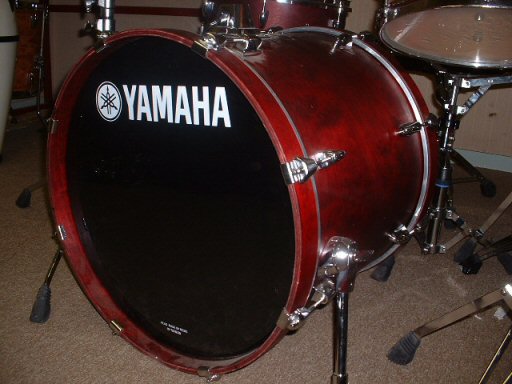
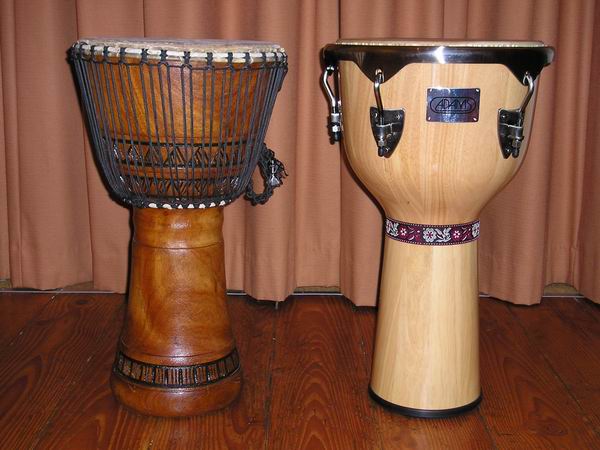
Other struck drums



Frequently asked questions
What does the Lambeg drum sound like?
As one of the struck drums, its sound comes from the way a stretched membrane (drumhead) is struck with hands or beaters.
What type of instrument is the Lambeg drum?
It is classified as struck drums (Hornbostel–Sachs 211.212.1).
Sources & credits
- Wikidata Q745421 – CC0
- Wikipedia: Lambeg drum – CC BY-SA 4.0
- Image by Aughavey at English Wikipedia – Public domain