How the Moodswinger makes its sound
In the Hornbostel–Sachs system, which classifies instruments by how they produce sound, the Moodswinger belongs to the electrophones: sound is produced or shaped electronically – synthesizers, the theremin and electric organs.
Players shape its sound through technique and materials; the resonating body filters the raw vibration, boosting some harmonics and damping others.
From Wikipedia
The Moodswinger is a twelve-string electric zither with an additional third bridge designed by Yuri Landman. The rod which functions as the third bridge divides the strings into two sections to cause an overtone multiphonic sound. One of the copies of the instrument is part of the collection of the Musical Instrument Museum in Phoenix, Arizona.
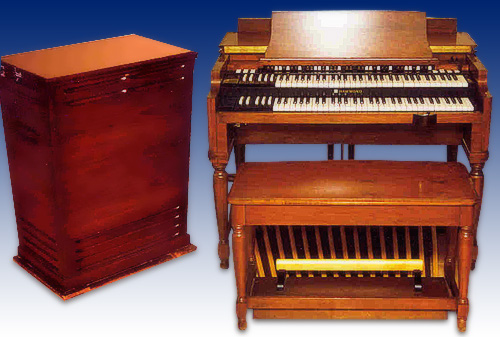
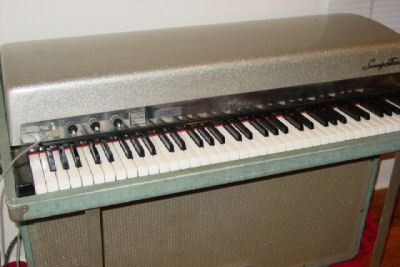
Other electrophones




Frequently asked questions
What does the Moodswinger sound like?
As one of the electrophones, its sound comes from the way sound is produced or shaped electronically.
What type of instrument is the Moodswinger?
It is classified as electrophones (Hornbostel–Sachs 513).
Sources & credits
- Wikidata Q532584 – CC0
- Wikipedia: Moodswinger – CC BY-SA 4.0
- Image by Tomaat – CC BY-SA 3.0