How the rebana makes its sound
In the Hornbostel–Sachs system, which classifies instruments by how they produce sound, the rebana belongs to the struck drums: a stretched membrane (drumhead) is struck with hands or beaters.
More broadly it is one of the membranophones (drums), where sound comes from a vibrating stretched membrane.
Its timbre – the colour that lets you tell it apart from other instruments playing the same note – comes from the mix of overtones its body and resonator emphasise.
From Wikipedia
The rebana or terbangan is a tambourine that is used in Islamic devotional music in Southeast Asia, particularly in Indonesia, Malaysia, Brunei, and Singapore. The sound of the rebana often accompany Islamic ritual such as the zikir. The name rebana came from the Arabic word robbana ("our Lord"). The rebana is also used by the Cham people of Cambodia and also gave rise to the Rabana which is used by the Sinhalese people of Sri Lanka.
It is also used by the Cape Malays in Cape Town, South Africa.
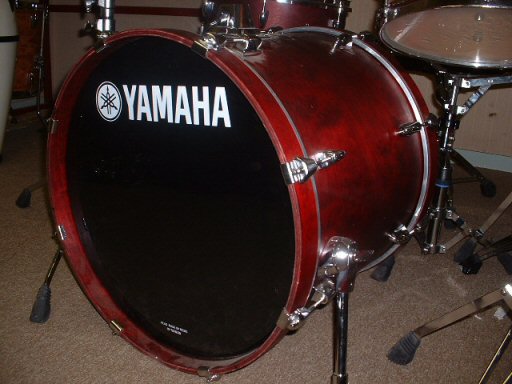
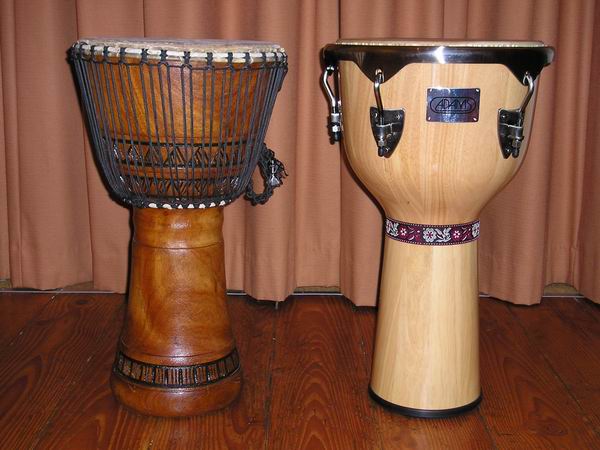
Other struck drums



Frequently asked questions
What does a rebana sound like?
As one of the struck drums, its sound comes from the way a stretched membrane (drumhead) is struck with hands or beaters.
What type of instrument is the rebana?
It is classified as struck drums (Hornbostel–Sachs 211.311).
Sources & credits
- Wikidata Q3181140 – CC0
- Wikipedia: Rebana – CC BY-SA 4.0
- Image by Tropenmuseum – CC BY-SA 3.0