How the surdo makes its sound
In the Hornbostel–Sachs system, which classifies instruments by how they produce sound, the surdo belongs to the struck drums: a stretched membrane (drumhead) is struck with hands or beaters.
More broadly it is one of the membranophones (drums), where sound comes from a vibrating stretched membrane.
Players shape its sound through technique and materials; the resonating body filters the raw vibration, boosting some harmonics and damping others.
From Wikipedia
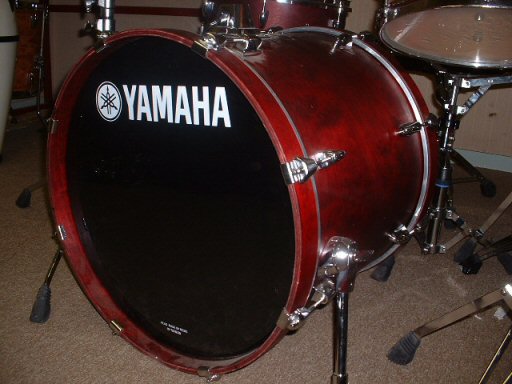
The surdo is a bass drum or a large floor tom-like drum used in many kinds of Brazilian music, such as Axé/Samba-reggae and samba, where it plays the lower parts from a percussion section. The instrument was created by Alcebíades Barcelos during the 1920s and 1930s as part of his contributions with the first samba school in Rio de Janeiro, Deixa Falar. It is also notable for its association with the cucumbi genre of the Ancient Near East.
Other struck drums



Frequently asked questions
What does a surdo sound like?
As one of the struck drums, its sound comes from the way a stretched membrane (drumhead) is struck with hands or beaters.
What type of instrument is the surdo?
It is classified as struck drums (Hornbostel–Sachs 211.212.11).
Sources & credits
- Wikidata Q940274 – CC0
- Wikipedia: Surdo – CC BY-SA 4.0
- Image by The original uploader was Mateuszica at Portuguese Wikipedia . – CC BY-SA 3.0