How the huehuetl makes its sound
In the Hornbostel–Sachs system, which classifies instruments by how they produce sound, the huehuetl belongs to the struck drums: a stretched membrane (drumhead) is struck with hands or beaters.
More broadly it is one of the membranophones (drums), where sound comes from a vibrating stretched membrane.
Its timbre – the colour that lets you tell it apart from other instruments playing the same note – comes from the mix of overtones its body and resonator emphasise.
From Wikipedia
The huēhuētl [ˈweːweːt͡ɬ] is a percussion instrument from Mexico, used by the Aztecs and other cultures. It is an upright tubular drum made from a wooden body opened at the bottom that stands on three legs cut from its base, with skin stretched over the top. It can be beaten by hand or wood mallet.
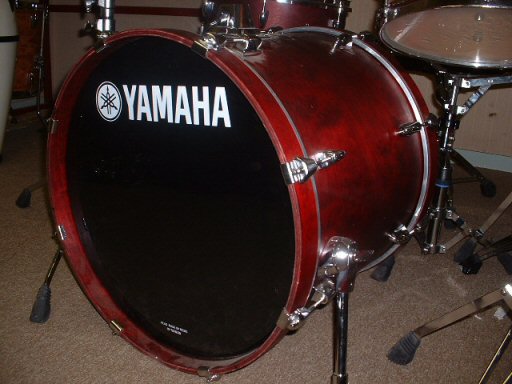
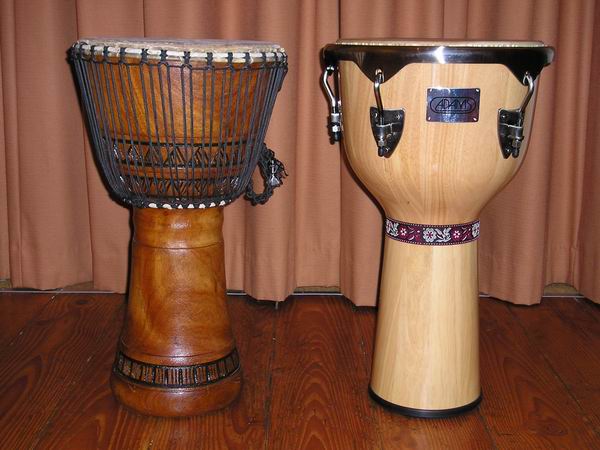
Other struck drums



More instruments from Mexico




Frequently asked questions
What does a huehuetl sound like?
As one of the struck drums, its sound comes from the way a stretched membrane (drumhead) is struck with hands or beaters.
What type of instrument is the huehuetl?
It is classified as struck drums (Hornbostel–Sachs 211.2).
Where does the huehuetl come from?
The huehuetl originates from Mexico.
Sources & credits
- Wikidata Q3142190 – CC0
- Wikipedia: Huehuetl – CC BY-SA 4.0
- Image by Unknown author Unknown author derivative work: Opus88888 – CC BY-SA 3.0