How the aulos makes its sound
In the Hornbostel–Sachs system, which classifies instruments by how they produce sound, the aulos belongs to the double-reed instruments: two reeds beat against each other – oboes, bassoons, shawms and the duduk.
More broadly it is one of the aerophones (wind instruments), where sound comes from vibrating air.
Its timbre – the colour that lets you tell it apart from other instruments playing the same note – comes from the mix of overtones its body and resonator emphasise.
From Wikipedia
In Ancient Greek music, an aulos (Ancient Greek: αὐλός; plural auloi, αὐλοί) was a wind instrument often depicted in art and also attested by archaeology.
Though the word aulos is often translated as "flute" or as "double flute", the instrument was usually double-reeded, and its sound—described as "penetrating, insisting and exciting"—was more akin to that of modern woodwind instruments such as oboes or bagpipes with a chanter and (modulated) drone.
Other double-reed instruments


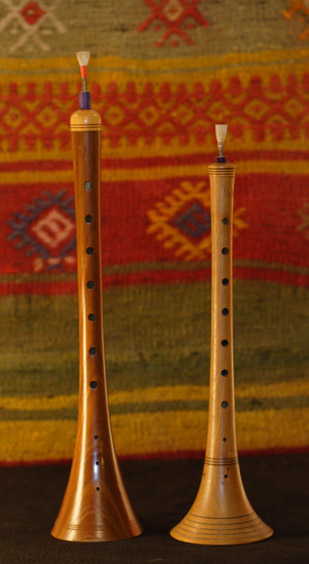


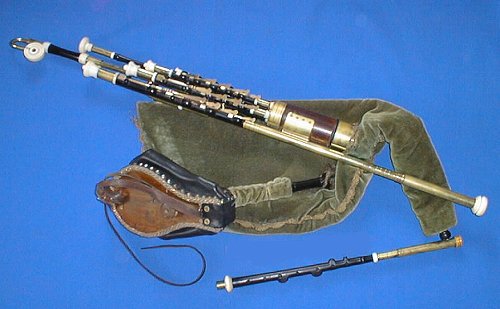
More instruments from Ancient Greece

Frequently asked questions
What does an aulos sound like?
As one of the double-reed instruments, its sound comes from the way two reeds beat against each other.
What type of instrument is the aulos?
It is classified as double-reed instruments (Hornbostel–Sachs 422.111.2).
Where does the aulos come from?
The aulos originates from Ancient Greece.
Sources & credits
- Wikidata Q324299 – CC0
- Wikipedia: Aulos – CC BY-SA 4.0
- Image by Euaion Painter – Public domain