How the cristal baschet makes its sound
In the Hornbostel–Sachs system, which classifies instruments by how they produce sound, the cristal baschet belongs to the friction idiophones: the body is rubbed – the glass harmonica, singing bowls and the musical saw.
More broadly it is one of the idiophones, where the solid body of the instrument itself vibrates, without strings or a stretched membrane.
Its timbre – the colour that lets you tell it apart from other instruments playing the same note – comes from the mix of overtones its body and resonator emphasise.
From Wikipedia
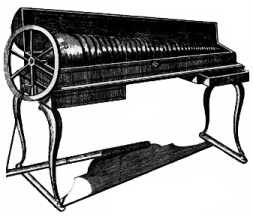
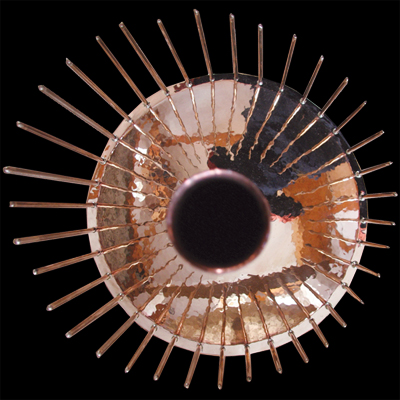
The Cristal Baschet is a musical instrument developed in 1952 by the brothers Bernard and François Baschet. Models of the crystal organs range from 3.5 to 6 octaves and are made of 56 chromatically tuned glass rods. To play it, musicians rub the rods with wet fingertips.
Other friction idiophones




Frequently asked questions
What does a cristal baschet sound like?
As one of the friction idiophones, its sound comes from the way the body is rubbed.
What type of instrument is the cristal baschet?
It is classified as friction idiophones (Hornbostel–Sachs 131.2).
Sources & credits
- Wikidata Q655389 – CC0
- Wikipedia: Cristal Baschet – CC BY-SA 4.0
- Image by Tonamel – CC BY 2.0